On Your Tools

Skilled Workers – Blue Collar Workers

SKF Bearings- From Hull’s Blockade Runners to the Masters of Friction

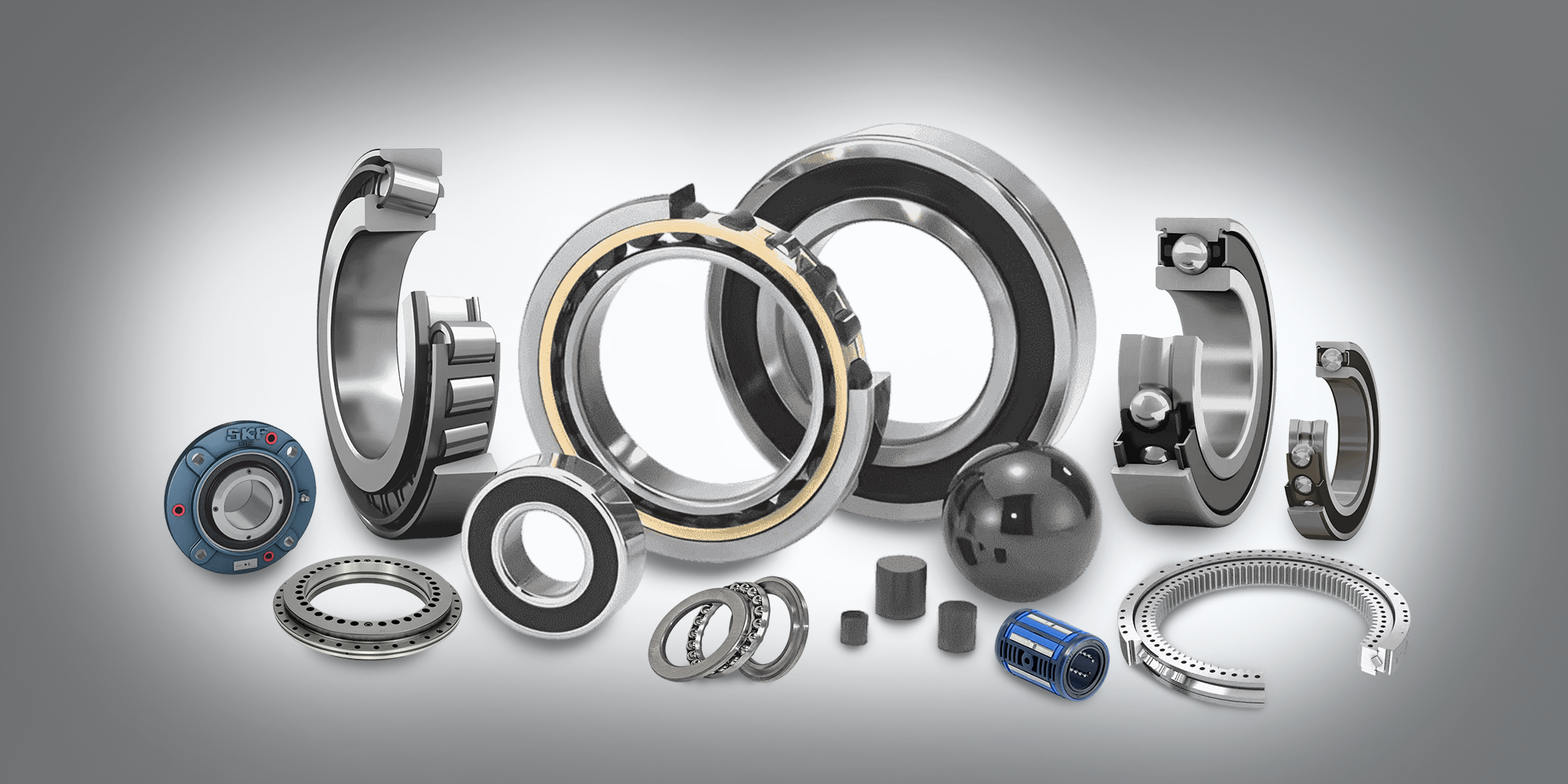
A collection of various SKF bearings as used generally in Automation with cutaway examples.

DISCOVER HOW IMPORTANT BEARINGS AND THE CORRECT GREASE ARE IN MOBILITY.

A collection of various SKF bearings as used generally in Automation with cutaway examples.
A SELECTION OF SKF BEARINGS WITH SOME CUTAWAY SHOWING MORE DETAIL.

A Component Worth Fighting a War Over

Before we delve in to the mechanical function of bearings I would like to kick off with little historical anecdote that relates to the importance of bearings. At the start off WW2 after the Germans had invaded Denmark and then Norway, Britain was really in a precarious position. Standing virtually alone in Europe she was heavily dependent on Sweden’s manufacture of precision ball bearings for its aircraft,artillery, tanks, ships and automobiles that were needed to sustain the war effort.

Sweden was a neutral country and wished to remain so and not to antagonise the German’s. As Britain’s plight became desperate they came up with a daring scheme. So in1943 and  conducted by the Special Operations Executive (SOE), these missions used small, fast motor gun boats to sneak through the German naval blockade in the Skagerrak to retrieve vital industrial war supplies—most notably ball bearings—from neutral Sweden. The SKF bearing manufacturer The SKF Headquarters: Gothenburg was home to the main factories of Svenska Kullagerfabriken (SKF), the global giant of bearing technology. British agents obtained supplies of materials, Britain utilized fast, specially adapted Motor Gun Boats (MGBs) stripped of armament. Aircraft flying under the guise of BOAC (British Overseas Airways Corporation) were also used but they could not carry so much tonnage.

To maintain Sweden’s neutral diplomatic status, the boats were registered as merchant vessels, officially crewed by civilian merchant sailors (often recruited from Hull trawlermen) rather than active-duty Royal Navy personnel. The missions took place during the dark winter months. The vessels relied on their high speed, darkness, and stealth to slip past German maritime patrols in the North Sea and the Baltic.These missions successfully delivered over 340 tonnes of ball bearings and vital special equipment to Britain before the summer of 1944, fundamentally solving the critical shortage of these parts in British engineering plants.

I first came across this story as I was working in my home town of Hull, having served an apprenticeship as a Mechanical Technician I already knew the function and designs of ball bearings, but on going to the stores of my new company, I gave the storeman the number and sizes of a required SKF bearing. I got chatting to him as you do when you call at the stores and he related to me that he had served on these fast speed boats sailing out of the Port of Hull ( a journey of around 550 Nautical miles then return ) and travelling to the port of Lysekil Sweden. It struck me how important this component is to everything really. On the other side of the coin, I have since read and seen documentaries that the Allied air forces made bombing the German bearing factories a priority to deny them bearings and it has become part of war doctrine that removal of bearing plants and stockpiles is high on the agenda. seems a component to take good care of. If the British military was willing to risk warships and aircrews just to get their hands on SKF bearings in 1943, it tells you everything you need to know about how vital this tiny component is to a machine’s survival. Look after yours !!

From Hull’s Blockade Runners to the Masters of Friction

Those “Blockade Runners” of Operation Bridford weren’t smuggling gold or secrets; they were risking the treacherous, mine-laden waters of the Skagerrak for tiny steel spheres and the grease that kept them spinning. Why? Because the British war effort was starved of the world’s finest engineering components, manufactured primarily by one Swedish giant: SKF (Svenska Kullagerfabriken).

Without SKF’s precision engineering, Lancaster bomber turrets jammed, Spitfire engines seized, and tank tracks ground to a halt. The lesson from 1943 Hull is clear: a global empire or an industrial military machine can be completely brought to its knees by a failure of components just a few inches wide.

SKF and the Evolution of Lubrication

SKF didn’t just master the geometry of the bearing; they mastered the invisible science that makes them work: tribology (the study of friction, wear, and lubrication), it is taken from the Greek word tribos (meaning rubbing).  When people think of tools or machinery, they focus on the steel. But steel-on-steel contact under load creates immense heat, leading to micro-welding and catastrophic failure. SKF’s real magic lies in how they design bearings to work with lubrication.

  • The Elasto-Hydrodynamic Lubrication (EHL) Film: At high speeds, the grease inside a bearing gets squeezed so hard it temporarily becomes a near-solid film. This microscopic layer—often thinner than a single strand of human hair—prevents the metal components from ever actually touching.

  • The Right Grease for the Job: SKF pioneered the understanding that lubrication isn’t just “oil.” It’s an engineered mixture of base oils, thickeners, and performance additives designed for specific temperatures, speeds, and loads.

  • Tribology sounds like a highly specialised academic subject but it is foundational to nearly every machine. 

Tribology matters because it directly impacts global energy consumption, economic costs, and the reliability of everyday machinery. Without proper tribological control, a staggering amount of the world’s energy would be completely wasted as heat.

Optimizing friction and wear delivers critical benefits across several key areas:

1. Massive Energy and Cost Savings 

  • Preventing Energy Waste: A substantial portion of global energy consumption goes toward overcoming friction in mechanical parts. For example, billions of gallons of fuel are wasted annually just fighting friction inside passenger vehicles.
  • Trillions Saved: Implementing advanced tribological solutions can slash global energy costs by hundreds of billions of euros, drastically reducing operational and maintenance budgets for industries.

2. Environmental Stewardship & “Green Tribology”

  • Lowering Emissions: By optimizing surfaces to require less energy to move, tribology heavily curtails greenhouse gas emissions.
  • Eco-Friendly Innovations: The growing field of “green tribology” focuses on using biodegradable, non-toxic lubricants. It also expands the lifespan of components to limit the raw materials and energy needed to manufacture replacements.

3. Reliability and Mission-Critical Safety

  • Avoiding Catastrophic Failures: Wear and tear leads to component degradation, unexpected downtime, and sudden, dangerous structural failures.
  • Extreme Environments: From deep-sea drilling equipment to space exploration instruments, robust tribological engineering ensures that machinery works under intense heat, pressure, or vacuum conditions.

4. Enabling Next-Gen Technologies

  • Electric Vehicles (EVs): While EVs don’t have traditional internal combustion engines, they present new challenges like electrical currents discharging through motor bearings. Specialised lubricants and materials are vital to maximize EV battery range and durability.
  • Renewable Energy: Wind and tidal turbines rely on massive gearboxes and bearings that face harsh weather and immense mechanical strain. Tribology keeps them spinning efficiently without failing mid-ocean or on remote ridges.
  • Biomedical Implants: Designing hip and knee replacements relies on understanding cartilage physics to ensure implants can comfortably glide inside the human body for decades without wearing down.

So to Summarise, the field of tribology has a profound effect on our chosen career subject of Engineering and this can be seen in the field of Robotics and Automation, tribology is absolutely vital because a robot’s usefulness is fundamentally defined by its precision, repetitive accuracy, and structural longevity. If a factory arm or humanoid robot experiences unpredictable friction or surface wear, its software calculations fail, resulting in jerky movements or misplaced components. From high-speed assembly lines to the complex joints of walking humanoids, tribology dictating how these systems interact.

For highly detailed technical studies on how these surface mechanics affect global infrastructure, you can review publications found on SciOpen or explore deep-dive engineering articles on TriboNet.

SKF bearing test departments.
The modern bearing test facilities at SKF Sweden.

From Industrial Giants to Your Front Door: The Modern E-Scooter

It’s easy to think of tribology as a science reserved for multi-ton factory machinery, automation or a Robotics operated car factory.  But the exact same physics are at play right outside your front door, inside a machine that faces an even tougher daily battle: the humble e-scooter. This may even be the first machine that you see for your commute to work.

Unlike a car, where bearings are tucked safely away behind massive seals and suspension components, an e-scooter’s wheel bearings sit just a few inches off the tarmac, they are at constant risk of Contamination, they are constantly bombarded by road grit, puddles, rain, and winter salt. If you own or repair an e-scooter, you know they are incredibly convenient, but they are also a bearing’s absolute worst nightmare.

  • Low RPM, High Stress: Small wheels mean high rotational speeds relative to their size, combined with sharp shocks from hitting potholes without the luxury of heavy suspension.

  • The Cost of Failure: When an e-scooter bearing loses its lubrication or gets contaminated with dirt, you’ll first notice a distinct grinding noise, followed by a massive drop in battery range (as the motor fights the added friction). Left unchecked, the bearing can seize, destroying the wheel hub or throwing the rider.

  • Most stock e-scooter bearings are technically “sealed” (typically labeled with an RS or 2RS suffix, meaning they have one or two rubber shields). While manufacturers often call these “service-free” and expect you to buy new ones when they get crunchy, you can easily extend their life with a thorough flush and a pack of high-quality calcium sulfonate grease.

The Market for e-scooter bearings

The market is  highly lucrative, but it operates differently from the traditional skateboard or industrial sectors. The breakdown below highlights how the market looks, along with the angles that will resonate with scooterists.

  • Severe Environmental Stress: E-scooters in places like Scandinavia face harsh conditions: rain, mud, road salt, and cobblestones. Water ingress (water getting inside) is the number one killer of e-scooter bearings.

  • Higher Speeds and Loads: E-scooters travel between 20–40 km/h and carry a heavy structural load plus the rider. This causes traditional, non-sealed bearings to degrade fast.

  • The “Premium Upgrade” Mindset: E-scooter commuters hate downtime. They are highly willing to spend money on premium, heavy-duty replacements if it means they don’t have to tear their scooter apart every three months.

 These are the standard bearing sizes that dominate the e-scooter market:

Scooter ComponentMost Common Bearing SizesWhat to Look For
Xiaomi / Ninebot Wheels6001-2RS / 6002-2RSMust be 2RS for water protection.
High-Power Hub Motors6202-2RS / 6003-2RSNeeds high-temperature grease to handle motor heat.
Steering Columns (Headsets)Custom caged ball or angular contactNeeds heavy marine grease to combat water ingress.
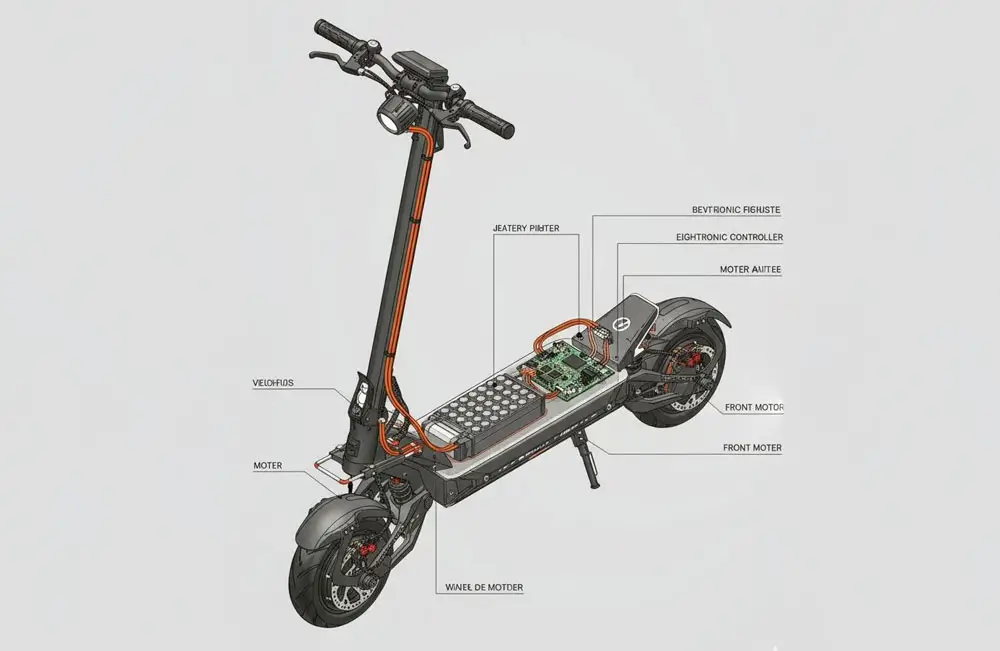
Structure and parts of a high speed e-scooter.
General layout of the workings of a high Speed e-scooter.

Why Grease Matters (The Engineering Breakdown)

1. Grease is Not Just “Lube”—It is a Structural Barrier

Most people think grease just makes things slippery. As an engineer, I realise that it is more than that and in an e-scooter wheel, grease has a dual role:

  • The Elastohydrodynamic Lubrication (EHL) Film: It creates a micro-thin pressurized barrier that stops the steel balls from physically touching the steel raceways under loads. Without it, you get instant metal-on-metal micro-welding and pitting.
  • The Primary Seal: In a small e-scooter wheel rolling through rain, the rubber 2RS seal is only the first line of defense. The physical mass of the grease inside channels water away and prevents moisture from setting in when the scooter sits idle.

2. The Great Skateboard vs. E-Scooter Mistake (The Bones vs. SKF Contrast)

  • Skateboard Bearings (Like the Swiss Bones): Designed for low weight, zero moisture, and maximum free-spinning. They use ultra-thin, low-viscosity oil or light speed-cream. If you spin a skateboard wheel, it spins for two minutes.

  • E-Scooter Bearings (Like SKF): Carrying a heavy payload at 30 km/h through puddles. They require heavy, high-viscosity marine-grade or polyurea grease.

The Eye-Opener: A brand new, high-quality e-scooter bearing should not spin freely like a skateboard wheel when you flick it with your finger. If it spins forever, it’s dry. It should feel smooth, damp, and slightly resistive. That resistance is the sign of a bearing packed with life-saving grease.

3. Micro-mobility Mechanics:

When comparing Lithium Complex and Calcium Sulfonate greases for micro-mobility applications, you are looking at a classic engineering trade-off between a “jack-of-all-trades” industrial standard and a specialized “wet-weather specialist.”

For small, low-ground-clearance wheel hub assemblies that take a beating from rain, puddles, and road salt, the chemical differences in how their thickeners behave change everything.

The Core Chemical Differences

To understand why they perform differently, it helps to look at how each grease handles its “thickener” (the sponge that holds the lubricating oil in place).

Lithium Complex: The Industrial Workhorse

Lithium complex greases use a lithium soap thickener. They are the most widely used greases in the world because they feature excellent mechanical stability and high-temperature performance.

  • The Catch: To fight off water washout or rust, lithium complex greases rely heavily on chemical additives blended into the grease. The thickener itself doesn’t inherently offer much water protection.

Calcium Sulfonate: The Marine-Grade Specialist

  • Calcium sulfonate greases are entirely different animal. The calcium sulfonate thickener itself provides structural rust protection and water resistance naturally.

    • The Perk: Even without a heavy payload of added chemicals, the base thickener repels water and prevents corrosion. It also possesses inherent extreme-pressure attributes, meaning it doesn’t need extra heavy metals added to handle heavy shock loads.

Head-to-Head Performance Matrix

Performance MetricLithium ComplexCalcium SulfonateWhy It Matters for E-Scooters
Water Washout (ASTM D1264)Moderate loss (~5% or higher)Exceptional resistance (often less than 1-2% loss)Puddles and wet roads quickly blast lithium grease right out of tiny hub bearings.
Water Consistency ChangeTends to soften significantly when contaminated with water.Retains its consistency and thickness even when mixed with up to 50% water.If water bypasses the rubber bearing seal, lithium grease thins out and leaks, leaving the bearing bone dry.
Inherent Rust PreventionLow; requires specialised anti-rust additive packages.Extremely high; protects against salt water naturally.E-scooters ride directly in winter road salt and slush, accelerating rust on tiny steel bearing balls.
Low-RPM ProtectionRelies on high-speed rotation to maintain an elastohydrodynamic lubrication film.Forms a robust physical film even under heavy loads and slow rotational speeds.E-scooters have tiny wheels that rotate under heavy weight loads, creating immense pressure on the bearing track.

Why Calcium Sulfonate Wins the Commuter Battle:

While lithium complex is great for high-speed, high-temperature automotive wheel bearings (like on a car doing 70 mph on a dry highway), it fails quickly in micro-mobility. Because an e-scooter’s wheels are small and ride centimeters from wet asphalt, the bearing is exposed to constant water spray. Calcium sulfonate grease stays thick, seals out water, won’t wash away, and stops rust from seizing the wheels.

The Repacking Protocol

Diagnostic Check: Replace vs. Clean

Before we embark on a cleaning and repacking exercise, it is best to do a quick “Diagnostic Test ” so as not to waste our time, 

  • Clean and Repack: If the bearing spins but feels dry, hollow, or slightly sluggish.

  • Trash and Replace: If the bearing has noticeable sideways “play” (wobble) when you push the inner ring sideways, or if it remains gritty/locked up after the solvent bath. Wobble means the actual steel race has eroded, and no amount of fresh grease can fix missing metal.

Difference between rubber sealed bearings and steel shield bearings for e-scooters.

Most stock e-scooter bearings are technically “sealed” (typically labeled with an RS or 2RS suffix, meaning they have one or two rubber shields). It is important for readers to know that there is a  difference between Metal Shields (ZZ) and Rubber Seals (2RS). Metal shields are held in by a retaining ring and are incredibly difficult to remove and reseat without permanently bending them. For e-scooters, if they have metal ZZ bearings, it’s honestly better to just replace them entirely with rubber-sealed 2RS bearings to keep water out. While manufacturers often call  the RS or 2RS bearings “service-free” and expect you to buy new ones when they get crunchy, you can easily extend their life with a thorough flush and a pack of high-quality calcium sulfonate grease. Because you are dealing with delicate rubber lips and tiny steel balls, order and patience are everything here—destroying the rubber seal means the bearing is toast.

  • Remove the Rubber Seals: Requires a safety pin or precision hobby knife, I have a set of jewellers screwdrivers that I find do the job and are not expensive.

Locate the rubber lip on the side of the bearing. Gently slide the tip of a fine needle or hobby knife under the outer edge of the rubber shield. Pry upward gently. Do not press inward toward the metal inner ring, or you will tear the delicate rubber lip that keeps dirt out. Remove both sides if it is a 2RS bearing.

       .  The Solvent Bath & Flush:Requires Isopropyl Alcohol (90%+) or Citrus Degreaser.

Submerge the open bearing in a small jar of solvent. Swirl it around, then spin the bearing manually while submerged to dislodge old, hardened factory grease and road grit. If the fluid turns black or cloudy, dump it and repeat until the solvent stays perfectly clear and the bearing spins freely with zero “crunchy” feeling.

  •   Flash-Dry Completely: Crucial prerequisite before greasing.

Remove the bearing from the solvent. Use a can of compressed air or a heat gun (hair dryer) on a cool setting to blow out any remaining solvent trapped between the balls and the cage. Do not spin the bearing at high speeds with compressed air while it is completely dry, as this can score the internal race.

  • The 30-50% Grease Pack:Requires a syringe or grease gun tip.

Using your chosen calcium sulfonate grease, use a plastic syringe to apply small dabs of grease directly between the individual steel balls. Do not pack it 100% full. For low-RPM micro-mobility bearings, aim for a 30% to 50% internal volume fill. Overpacking causes “churning,” which creates internal heat and forces the grease to blow past the seals during your ride.

  • RE-seat and Distribute: Final assembly.

    Gently press the clean rubber shields back into their grooves with your thumbs until they snap flush. Spin the bearing by hand a dozen times to evenly distribute the new grease across the ball track. Wipe off any excess grease that oozes out of the edges using a microfibre cloth.

How to Remove and Replace E-Scooter Bearings

Replacing bearings is a highly rewarding DIY task. If your wheel makes a crunchy, grinding sound, or wobbles when you shake it, it’s time for a change.Because e-scooters are subjected to rain, puddles, and road grit, they use standard deep-groove ball bearings with rubber seals (designated as 2RS). The rubber seals are crucial because they keep grease in and moisture/dirt out.

Common Sizes & SKF Equivalents

The exact size depends on your scooter’s brand and whether the front wheel houses a motor. However, the industry relies heavily on a few standard metric sizes. Here are the most common front wheel bearing sizes and their direct, premium SKF equivalents:

Commonly Used ForDimensions (ID x OD x Width)Standard Part NumberPremium SKF Equivalent

Standard/Light Wheels (e.g., Xiaomi M365/Pro 2, Segway

Ninebot Max non-motor wheels)

   8mm x 22mm x 7mm 608-2RSSKF 608-2RSH
Medium Wheels / Light Motor Hubs  10mm x 26mm x 8mm6000-2RSSKF 6000-2RSH
Heavy Duty / Performance Scooter Hubs  12mm x 28mm x 8mm6001-2RSSKF 6001-2RSH
Large Dual-Motor Performance Front Hubs  15mm x 35mm x 11mm6202-2RSSKF 6202-2RSH

NOTE:  on SKF Suffixes: SKF uses 2RSH (or 2RS1) instead of 2RS. It means the exact same thing: a continuous rubber lip seal on both sides of the bearing.Pro Tip:  Premium bearings such as SKF should not be just regarded as a “spare part,” but as a preventative performance upgrade, YOU have the option: “Spend €15 on an SKF bearing now, or spend €150 replacing a burnt-out wheel motor later.”

TOOLS REQUIRED

  • Wrenches/Allen keys (to remove the wheel)

  • A Hammer or rubber mallet

  • A flathead screwdriver, metal punch, or a blind bearing puller

  • A large socket wrench piece (matching the outer diameter of the new bearing)

  • A rag and some lithium or bearing grease

Step-by-Step Guide   Phase 1: Removal

  1. Remove the Wheel: Use your wrenches or Allen keys to undo the axle nuts/bolts. Slide the front wheel out of the fork. (If it is a front-motor wheel, unplug the motor cable first).

  2. Access the Bearings: If your wheel has external plastic cosmetic caps or spacers, pull them off. You will see the rubber face of the bearing pressed flush into the wheel hub.

  3. Move the Internal Spacer: Inside the wheel, sitting right between the left and right bearings, is a metal spacer tube. Take your screwdriver or punch, stick it through the center hole, and push that internal spacer slightly to the side so you can catch the inner metal edge of the bearing on the opposite side.

  4. Tap the Old Bearing Out: Place the wheel flat on a supportive surface (like a workbench or two blocks of wood, leaving space underneath for the bearing to drop out). Place your punch against the exposed inner edge of the bottom bearing. Tap it gently with a hammer. Alternate sides (top, bottom, left, right) so the bearing drives out straight and doesn’t get wedged.

  5. Remove the Second Bearing: Flip the wheel over. The internal spacer will fall out. Now you have a clear shot to tap the remaining bearing straight out from the inside.

Phase 2: Preparation & Installation

  1. Clean the Hub: Wipe down the inside of the wheel hub with a clean rag to remove old grit and grime. Lightly coat the inside of the hub with a tiny bit of grease to help the new bearings slide in smoothly.

  2. Seat the First Bearing: Place the new SKF bearing perfectly flat over the hub opening.

  3. Press It In: > ⚠️ Critical Rule: Never strike the inner ring or the rubber seal of a new bearing, or you will ruin it before you even ride.

    Place a socket wrench piece that matches the outer metal rim of the bearing on top of it. Gently tap the socket with your mallet until the bearing is pressed flush and fully seated into the wheel.

  4. Don’t Forget the Spacer: Flip the wheel over and drop the internal spacer back in. (If you forget this, you won’t be able to tighten your wheel axle later!).

  5. Seat the Second Bearing: Align the second bearing on the open side, use your socket tool on the outer ring again, and tap it in until it seats firmly against the internal spacer.

  6. Finally, slide the wheel back into the scooter’s front fork, torque down your axle bolts, and give it a spin. It should spin beautifully and silently!

I have put together a couple of Tool kits as examples for you to follow and maybe put together to keep your e-scooter on the road and also to start your tool collection for your shed or garage.

The Local Home DIYer (The “Keep It Rolling” Kit)

Just click on the Image in the Blue Grid below to get more Details

The Professional E-Scooter Mechanic (The Workshop Master)

Just click on the Image in the RED Grid below to get more Details

AS A MEMBER OF THE  AMAZON ASSOCIATES PROGRAM I MAY EARN A SMALL COMMISSION FROM QUALIFYING PURCHASES AT NO EXTR.A COST TO YOURSELVES.

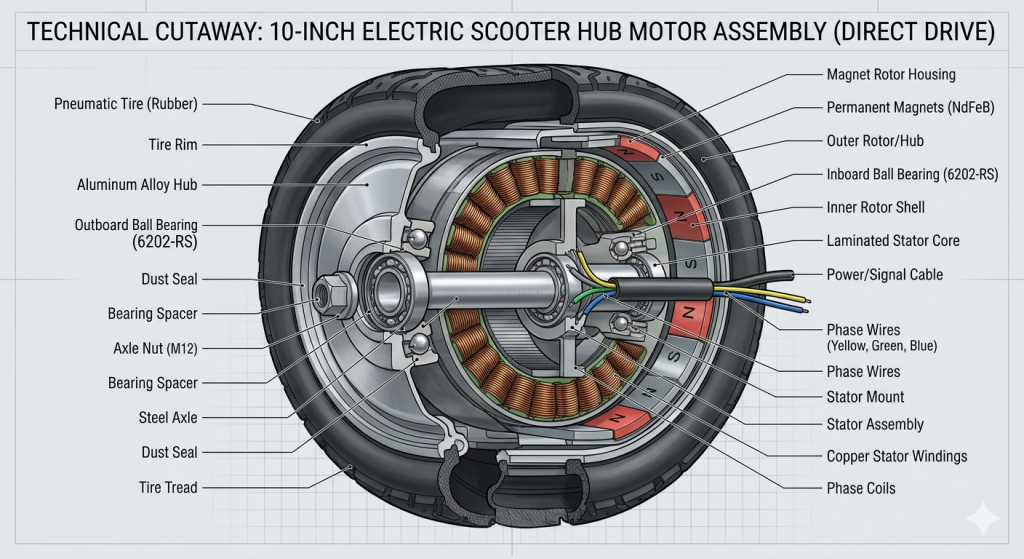
Cutaway drawing of an e-scooter hub.
Lithium Calcium Sulphonate Grease with good waterproof properties. 400g
K90 Calcium Sulphonate Grease for Marine & Heavy Mobile Equipment & Bearings. 400g
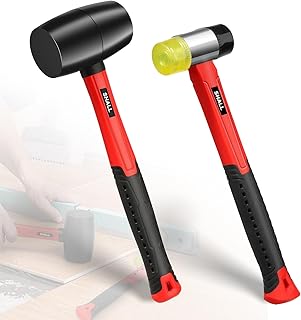
2 mallets for DIY assembly of bearing races.
SHALL 2-Piece Rubber Mallet Hammer Set, 16oz Rubber Hammer Mallet & 40mm Double-Faced Soft Mallet, Shockproof Fiberglass Handle.
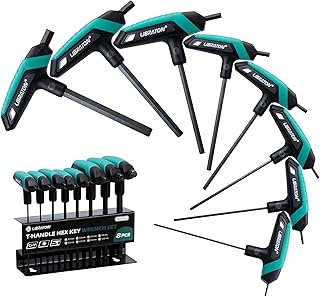
T-Handle allen keys for e-scooter maintenance.
LIBRATON T-Handle Allen Wrench Set, Metric Hex Key T-Handle Set, 2.0mm-10mm T Handle Hex Key Set for DIY, Auto Bike Repair Tool
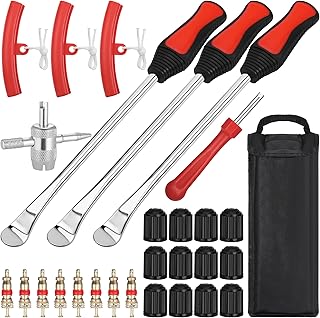
Zocipro 29Pcs Tyre Lever Tool Set, 3Pcs 30cm Tyre Lever Spoons with 3 Rim Protectors, 1 Wrench with 1 Valve Tool, Tire Repairing Changing Spoons Lever Tool Kit for scooter wheels.
Digital tyre pump with gauge for bikes and e-scooters.
Woowind Bike Pump, Tyre Inflator Air Compressor, 1 Minute Inflation, 150PSI/10.3BAR Car Tyre Inflator, Air Pump for Bikes & e-scooters
Basic Digital Multimeter for checking those e-scooter batteries.
AstroAI Digital Multimeter, TRMS 6000 Counts Multimeters Manual and Auto Ranging; Measures Voltage, Current, Resistance, Continuity,

wpx_

Apprenticeship trained Mechanical Technician, worked in many Blue Chip Companies including Glaxo Smithkline, Reckitts Benckiser, Unilever, Coca Cola mainly in the UK but also in Europe.

Leave a Comment