On Your Tools

Skilled Workers – Blue Collar Workers

Building a robot or maintaining an automated production line can be a lesson in controlled chaos. Whether you’re debugging a PID loop on a laboratory bench or performing emergency surgery on a rover in the field, your success often depends less on your IQ and more on the contents of your gear bag or tool bag/box.

In this guide, we are going to break down the Robotics Engineer’s Tool Kit—the curated collection of hardware, software, and “survival gear” that transforms a pile of components into a functional machine. From the tactile precision of high-end hex drivers to the digital necessities of ROS-compatible diagnostic suites, we’re looking at the essentials that help you bridge the gap between abstract code and physical motion.

As the image above shows, is it panic in the office before the next crucial Daily Planning meeting, or is it all under control and just responding to one of the Robotics Technicians requests for a Software update to be sent to his Laptop ? The reality on the factory floor can be totally different, depending on the time of day that it is, Day shift or Night shift there maybe just 1 or 2 persons keeping the factory running. I must admit to a bit of bias here as when I have been on night shift and sorting out problems with just a “skeleton staff ” we would often joke ” how come there is only 2 of us here and the factory runs all night, come 8.00am or 9.00am another 30 bodies come in and cause mayhem ? “.

Right before we explore the hard details of a good toolkit we must explain how the landscape has changed over the years.

The New Era of the Robotics Tool Kit: From Personal Gear to Procedural Compliance

There is a crucial shift to highlight. In modern high-tech environments—especially in pharmaceuticals, semiconductors, and food/drinks production—the “rugged individualist” with a personal bag of favourite wrenches is becoming a thing of the past. For decades, a robotics engineer’s tool kit was a badge of honour—a personalized, battle-worn collection of specialized hex keys, crimpers, and “lucky” screwdrivers. But as robotics moves from the research lab into the strictly regulated world of Good Manufacturing Practice (GMP) and high-stakes industrial production, the playing field has fundamentally changed.

In many modern facilities, you can no longer simply “roll in” with your own gear. Stringent regulations designed to prevent cross-contamination and foreign object debris (FOD) have replaced the personal tool bag with the Company Tool Chest. These mobile, high-spec workstations are often:

  • Shadow-Boarded & Counted: Every tool has a laser-cut home; if a 10mm socket is missing at the end of a shift, the entire production line stops until it’s found.

  • Asset-Tracked: Many sites now utilize RFID-tagged tools or biometric-lock chests that log exactly who removed a tool and when.

  • Sanitized & Standardized: In GMP environments, tools must often be made of specific grades of stainless steel and undergo rigorous cleaning protocols to ensure they don’t compromise a sterile environment.

For the modern engineer, “equipping yourself” now means more than just buying the right hardware. It means mastering the digital and diagnostic tools that live on your laptop, while becoming fluent in the Standard Operating Procedures (SOPs) that govern the physical tools provided on-site. Success in 2026 isn’t just about having the tool for the job—it’s about the accountability and precision required to use it in a regulated space.

NOTE

It may be that in some factories you are allowed a personal Toolkit, what I have found on these occasions is that in your box you must have a Laminated ” Contents List * and usually also registered in the Engineering Office. It may be whilst you are doing work on the production lines that a Quality Assurance (QA) person may ask to check your tools against your list. Now most of them are not Technical people,  they may know what spanners are but not everything and you have to help them muddle through, It is your responsibility to keep a check on your tools against the list.  Another word of warning is that you must keep your tools padlocked at all times (except when your working with them)  if for some reason you have to leave them and say …….. go to  stores or read a Technical Manual make sure you lock your box.

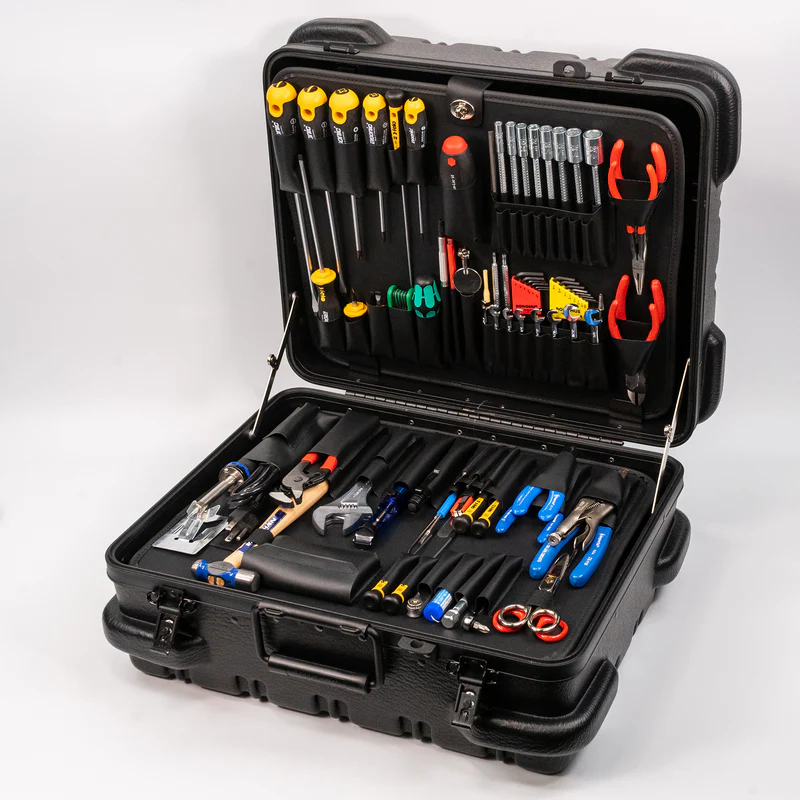
TECHNICIANS FULLY STOCKED TOOL CASE.

I think before we go for a deep dive into what tools a the average  Robotics Engineer needs for maintaining the the automation and robotics lines lets explore what the first people in the project structure will require and at this stage I am not focussing on the digital and software side of the project, before the Robots arrive if you like.

After the initial “Strategic Phase” (Management & Sales) we have the rough plant map sessions unless of course its a greenfield site and New build) then the reality check takes place so enters the Project  Engineer. For the experienced these items will have been sorted a while ago but for new starters or people newly consigned to working away from the office or the workshop I hope it is of value. Assuming that you have got onto site (that itself can be an achievement these days) it is always wise to have maybe a part separate bag in the car with the essentials, . By that I mean Safety gear (PPE) measuring gear.

Project Engineer’s Site Survey Go-Bag

The “Safety First” Layer (PPE)

You can’t even step onto the floor without these. Most sites have spares, but a pro always brings their own for the right fit and hygiene.

Steel-Toed Boots: Non-negotiable. Often needs to be puncture-resistant and electrical hazard (EH) rated.

High-Visibility Vest: Class 2 or 3, usually with pockets for pens and radios.

Hard Hat: Often personalized with the company logo or “Project Engineer” stickers.

Safety Glasses & Ear Protection: Keep a few pairs of foam plugs and a set of anti-fog clear lenses.

The Survey & Measurement Kit

The project engineer’s job is to ensure the reality of the floor matches the CAD drawings. If the floor is slanted or a pillar is 2 inches off, the robot won’t fit.

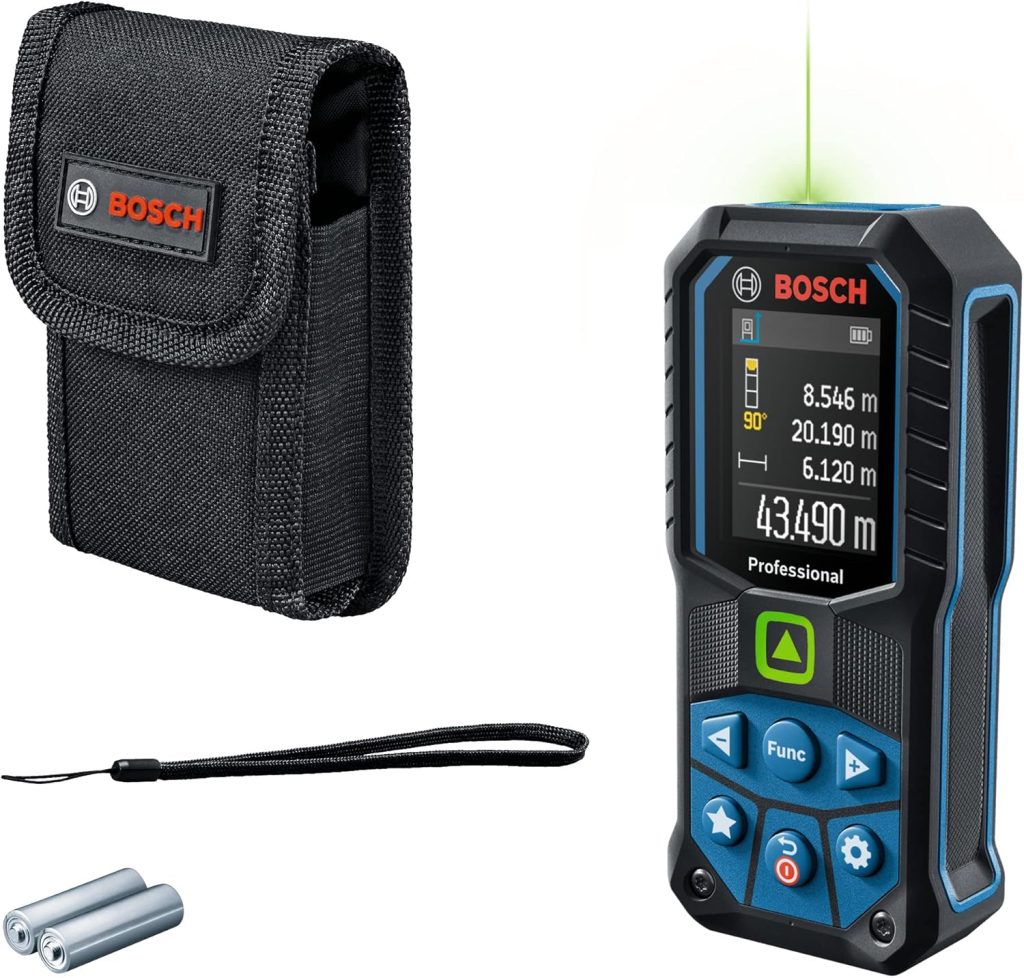
Laser Distance Meter: Much faster and more accurate than a tape measure for long factory spans.

Digital Protractor/Level: To check if the floor slab is actually level (it rarely is).

30m Steel Tape Measure: Because lasers sometimes struggle with reflective surfaces or bright sunlight.

Multi-Surface Markers: Paint pens or “Sharpies” that can write on oily metal, concrete, or dusty PVC.

The Digital Toolbox

Documentation is the primary output of a survey. Just a point of warning here, if your going in to an open site then you can probably take Laptops, phones, cameras etc but as the factory goes more LIVE some Companies are very strict on taking them items in the factory with you (always have a Pen & Notebook ) on your person.

Tablet with Stylus: For marking up floor plans in real-time using software like Bluebeam or AutoCAD Mobile.

High-Lumen Flashlight: Factories are notoriously dark in the corners where the control panels usually go.

Portable Power Bank: Surveying for 8 hours with GPS and high brightness will kill a tablet battery by noon.

The “Engineers Comfort” Extras

The “overnight” part of the bag isn’t just about tools; it’s about staying functional.

Industrial Wipes: To get the grease and grit off your hands before touching your laptop or eating a sandwich.

Gloves:  Always worth having a  least one pair of industrial gloves in your bag or car boot, in fact some sites require them as mandatory.

Laser Pointer: Essential for pointing out overhead obstructions (like HVAC ducts) to a group of stakeholders.

Spare Socks: Sounds silly, but if you’re walking 15,000 steps on concrete, a fresh pair mid-day is a game changer.

So this is This is where your “Overnight Bag” hero enters the story. Before a single bolt is ordered or a robot is programmed, the Project Engineer is sent to the site for the Pre-Install Survey. They are the bridge between the “Perfect CAD World” and the “Messy Real World.”

THE ROBOTICS ENGINEERS TOOL KIT

From a Mechanical view by the time you have come out of the Apprenticeship Training School you have generally put together the basic toolkit that is needed to get you started in the production Line environment. Electricians are generally the same but I would say they do need some more expensive tools nowadays, and maybe some are provided by a well intended employer.

Mechanical Must have’s 

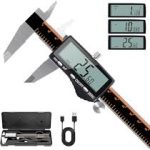
Measuring –  Tape Measures 3m & 8m and maybe 30m if your marking out floors for production lines and machine positioning. Steel rules  150mm/6″  300mm/12″ , Vernier Calipers 150mm,

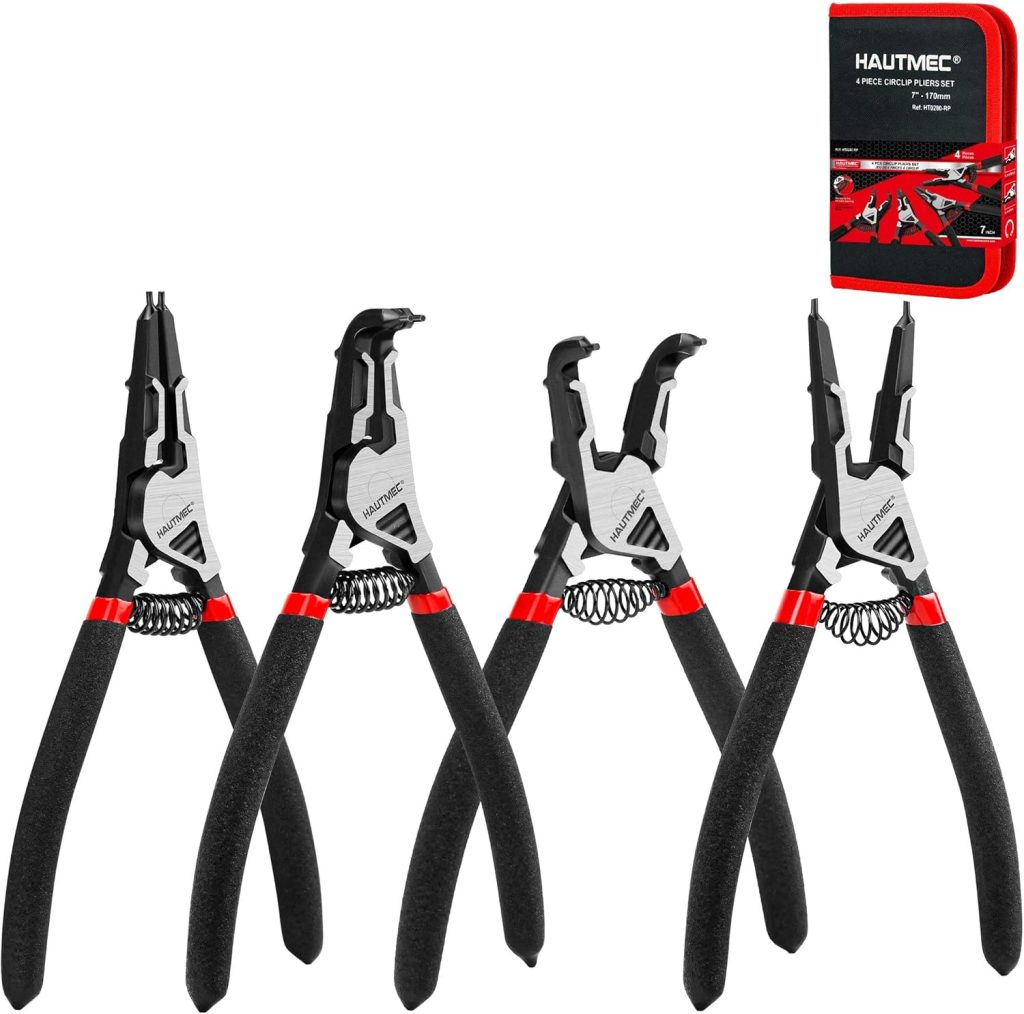
0-25mm Micrometer always good, Set of pin punches, a square, ball peen hammer light and heavy. centre punches, scriber, chisels, colection of Files, a good hacksaw and a Junior hacksaw, Pneumatic pipe cutter, circlip pliers (internal and External)  A Point of NOTE here: depending on the type of Factory that you are working in, no wooden handles are allowed, so check your files and dont forget wire brushes, must be plastic, always seems strange to me that most factories have hundreds of wooden pallets that may have been stood outside for months !!  Hey ho ours isnt to Reason Why !!

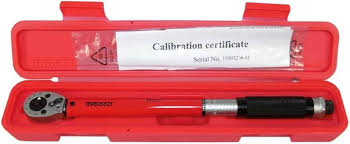
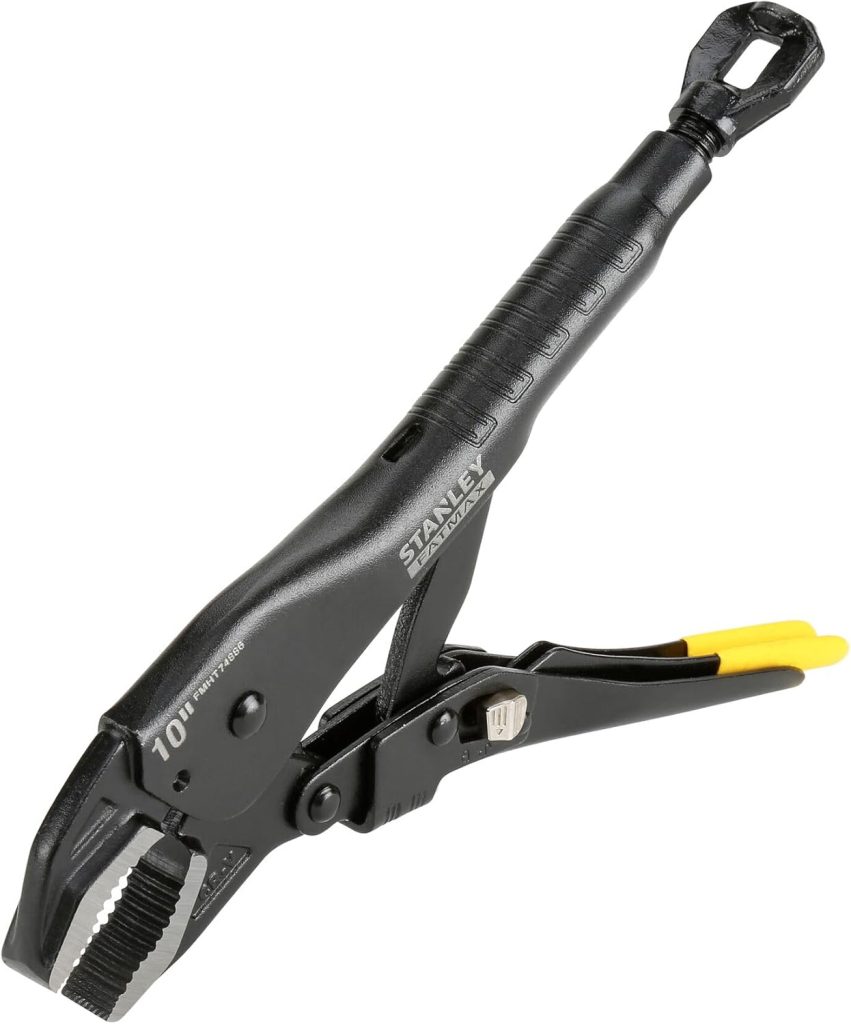
various pairs of pliers, long nose and cable strippers, Stanley knives (spare blades) allen keys (ball-ended ) T wrenches (allen keys) sometimes easier to use, Torque wrench, hut runners for Jubilee clips, Adjustable spanners 6″ & 12″ these are good Get you out of Jail tools !!  Mole grips, a small Stilsen set 6″ is good for then broken pipe fittings. 

Socket Sets & Spanners

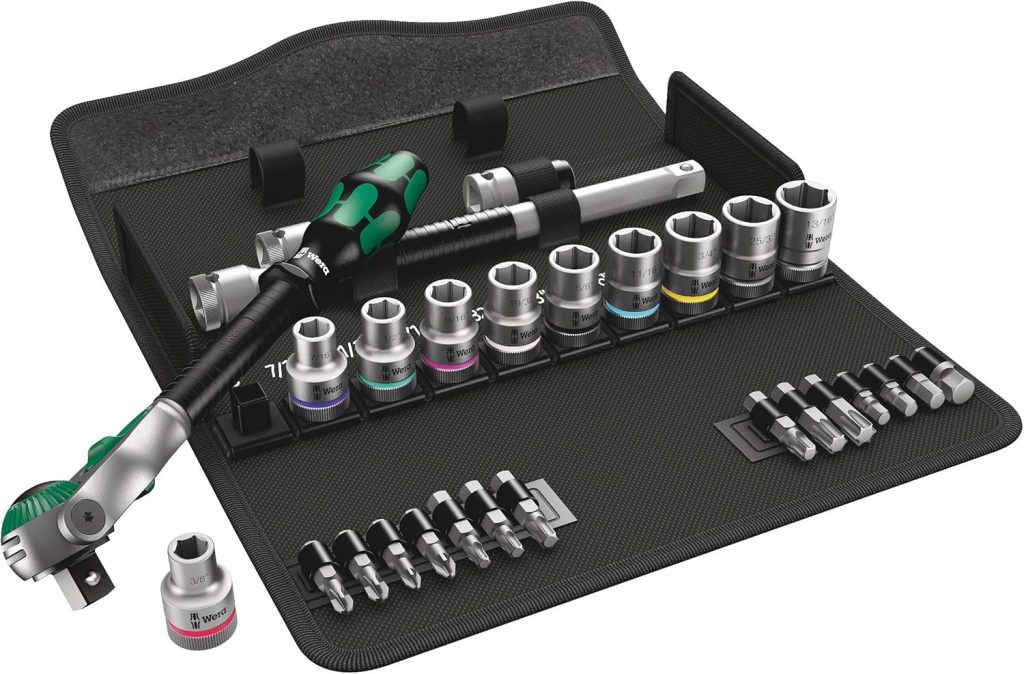
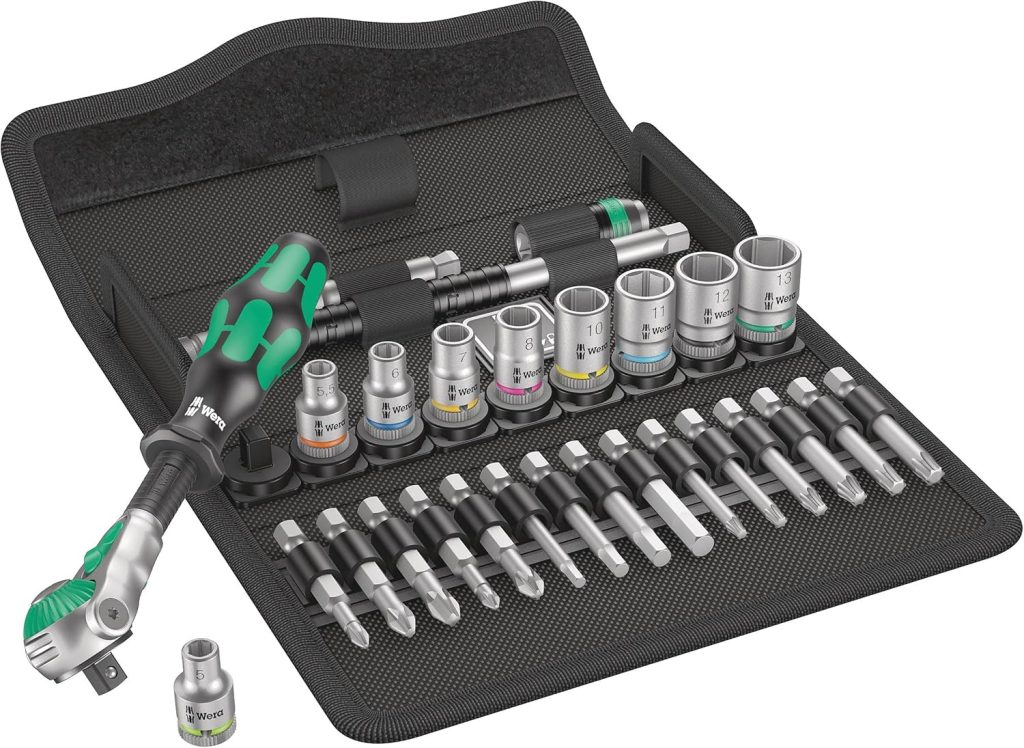
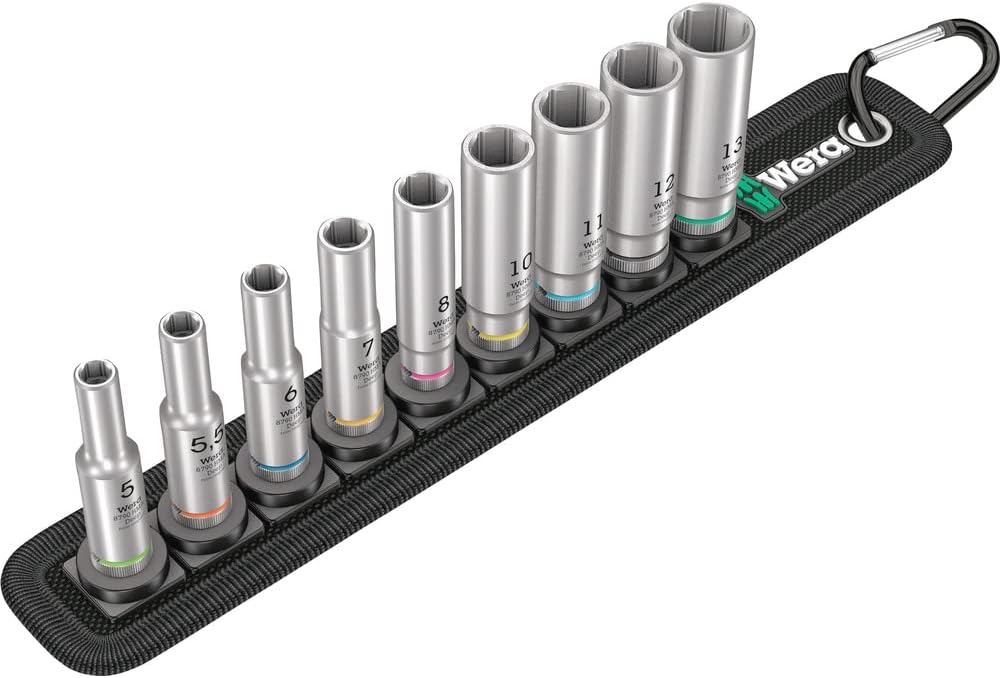
One of the most important items of kit  for the Mechanical side of things, probably with a very good Allen key set, my self I prefer a good !/2″ drive set with plenty of extension bars to get in at them awkward fasteners. A nice small 1/4″ drive is also handy when re-setting sensors or arms. A set of Long reach sockets always helpful, and if we are talking about carrying tools about then the odd 24mm or eve 6mm 6mmn 30mm  socket is worth having access to. .  Spanners 6mm upwards, common sizes 8,10,13,17,19 but remember pneumatic fittings can have some of the uncommon sizes like 12, 14,15 so a full set in your box is good. Although I have recommended mainly WERA tools for sockets, I have used HALFORDS professional spanners over the years and found them to be a very good brand, they are also a bit longer than the average spanner which has its uses at times. 

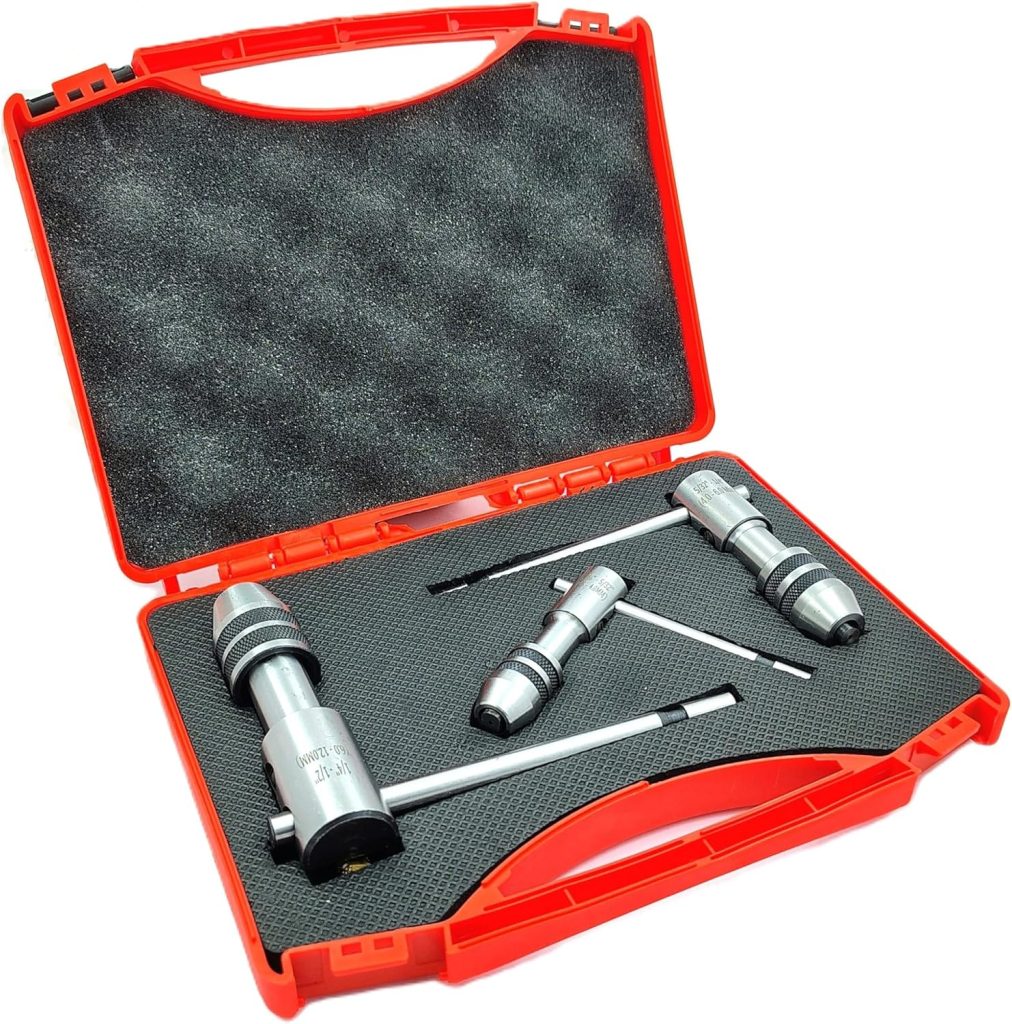
I think I’ve covered most of the basics, in every factory there will be times when you could do with this…… or that , even modifying spanners to get in a position, bending at 90 degs or chopping it down, Taps, tap wrenches and dies are usually kept as workshop practice but most Technicians/Fitters collect their own over time, together with stud extractors. A set of metric taps is a must and also 1/8″BSP and 1/4″BSP very handy at times. I have found a T handle tap wrench set (having a ratchet) a very useful tool in tricky locations  I make no apologies for recommending the purchase of good quality tools for Engineering Professionals, there is no need to buy everything at once, but you can upgrade your kit at various times, most companies that do not supply the full Tool kit as per their regulations, do offer annual Tool Allowances so that is always a good opportunity to pick up some upgraded tools.

In the world of industrial automation, the “buy once, cry once” philosophy isn’t just about snobbery—it’s about precision, safety, and preventing a £500 tool mistake from turning into a £50,000 downtime disaster. When you’re working on a line where every second of stoppage costs the client thousands, the last thing you want is a cheap hex key rounding off a bolt head in a cramped, critical assembly.

Precision Over Price: Why Quality Gear Defines the Robotics Professional

In the high-stakes environment of an automated production line, the line between a successful deployment and a costly delay often comes down to the few millimetres of steel in your hand. For the robotics engineer, tools are not just accessories; they are the primary interface between complex digital logic and physical execution .While it is tempting to fill a kit with budget-friendly alternatives, mechanical maintenance on a modern assembly line demands a level of reliability that “lesser” brands simply cannot guarantee. Professional-grade tools offer three non-negotiable advantages:

  • Tolerance and Torque: High-end brands maintain much tighter manufacturing tolerances. This means a wrench that fits a fastener perfectly every time, preventing the “rounding” of bolts that can turn a five-minute adjustment into a five-hour extraction nightmare.

  • Ergonomics and Longevity: Installing a line involves repetitive motions. Quality tools are designed to reduce strain on the user while withstanding the grueling cycles of industrial use without fatiguing or snapping.

  • The Cost of Failure: In robotics, the most expensive tool is the one that breaks in the middle of a shift. Investing in premium mechanical gear is effectively “downtime insurance”—ensuring that when you apply pressure, the tool performs exactly as expected.

For the serious professional, your toolkit is a silent testament to your standards. If you want to build world-class automation, you start by carrying world-class steel.

                            MECHANICAL  RECOMMENDATIONS 

   ” As an  Amazon Associate I earn from qualifying purchases with no extra costs to yourselves.”
 

Mitutoyo MIT500-196-30 Absolute AOS Digimatic Caliper,
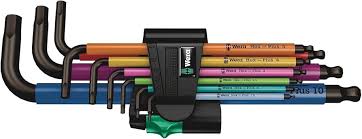
Wera 950 SPKL/9 SM HF Multicolour L-Key Set Metric BlackLaser with HOL
Bosch Professional laser measure GLM 40-31
Teng 1292AGEP 40-210nm 1/2-inch Torque Wrench Drive
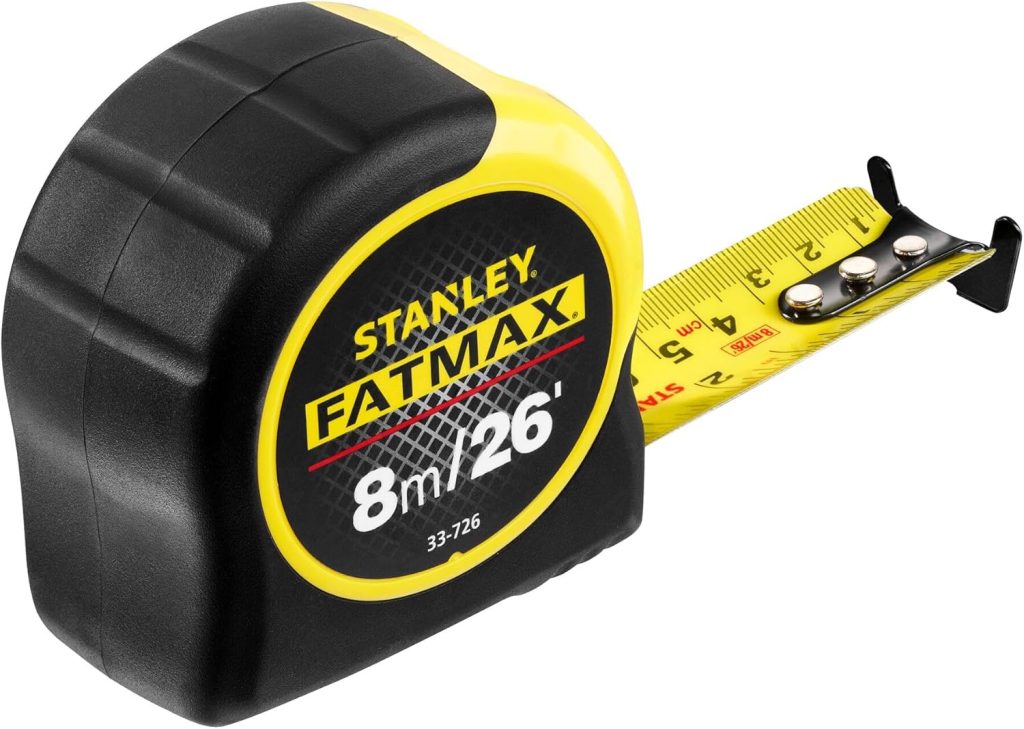
STANLEY FATMAX 8m/26' Tape Measure, Blade Armour Coating,
Wera 05004079001 1/2-inch Drive Zyklop 8100 SC9 Metal-Speed Multi-Function Ratchet and Socket Set (28 Pieces)
Wera 8100 SA 6 Zyklop Speed Ratchet Set, 1/4" Drive, Metric, 28 Pieces - 05004016001
Wera Belt A Deep 1 Socket Set, 1/4" Drive, 9PC, 05004525001
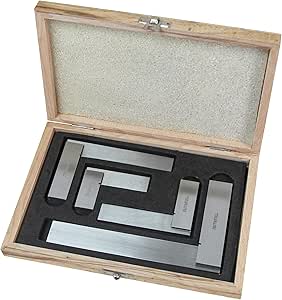
Faithfull Engineers Steel Try Square Set 4 Piece - 50,75,100,150mm (2in, 3in, 4in, 6in), Precision Ground,
A.D. International Set of 3 Reversible Ratchet Adjustable Tap Wrench with Plastic Case
HAUTMEC 4PCS High Leverage Snap Ring Pliers Set, 7 inches Internal/External Circlip Pliers, Heavy Duty Snap Ring Pliers, C Clip Pliers with Spring Loaded
Stanley FMHT0-74886 250 mm Fatmax Locking Mole Grip Curve Jaw Pliers - Black
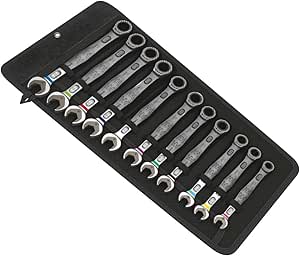
Wera Joker Combination Ratchet Spanner set Metric, 11pc, 05020013001
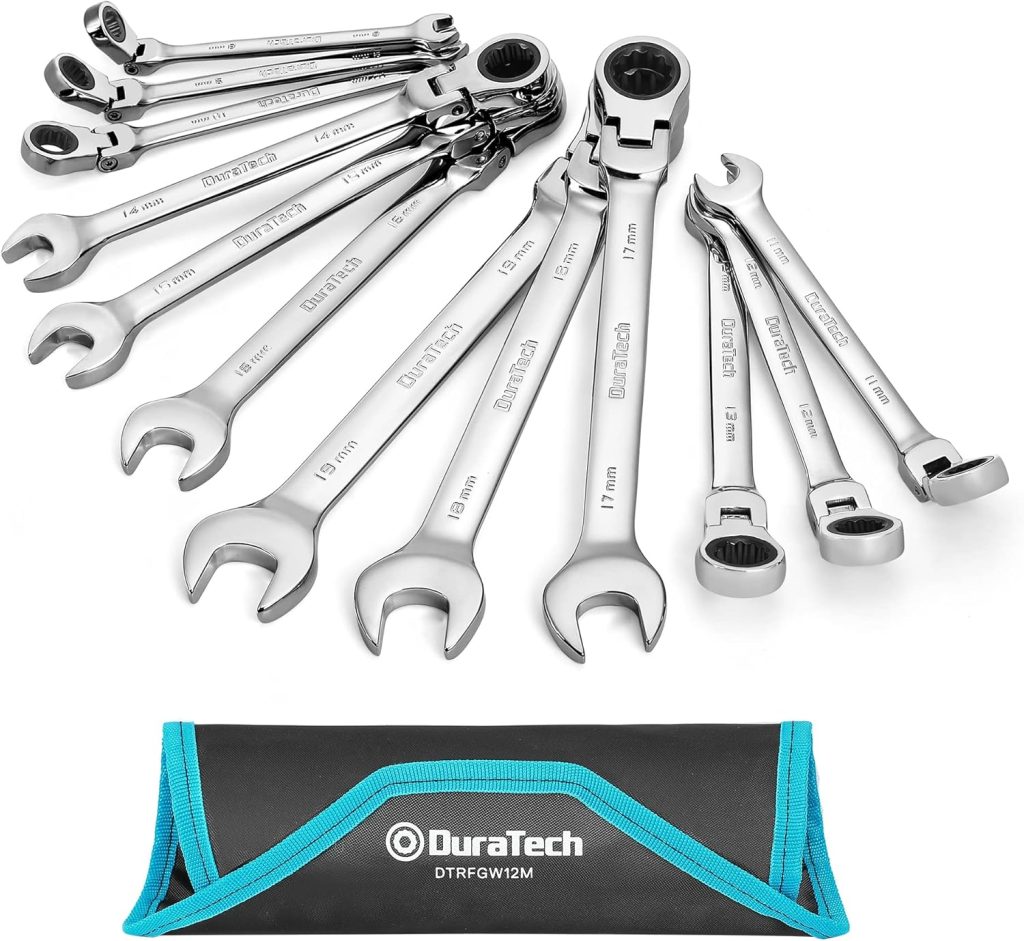
DURATECH 12-Piece Flex-Head Ratchet Spanner Set 8-19mm, Combination Wrench Set with 72 Tooth Ratchet Gear, Chrome Vanadium Steel, Metric
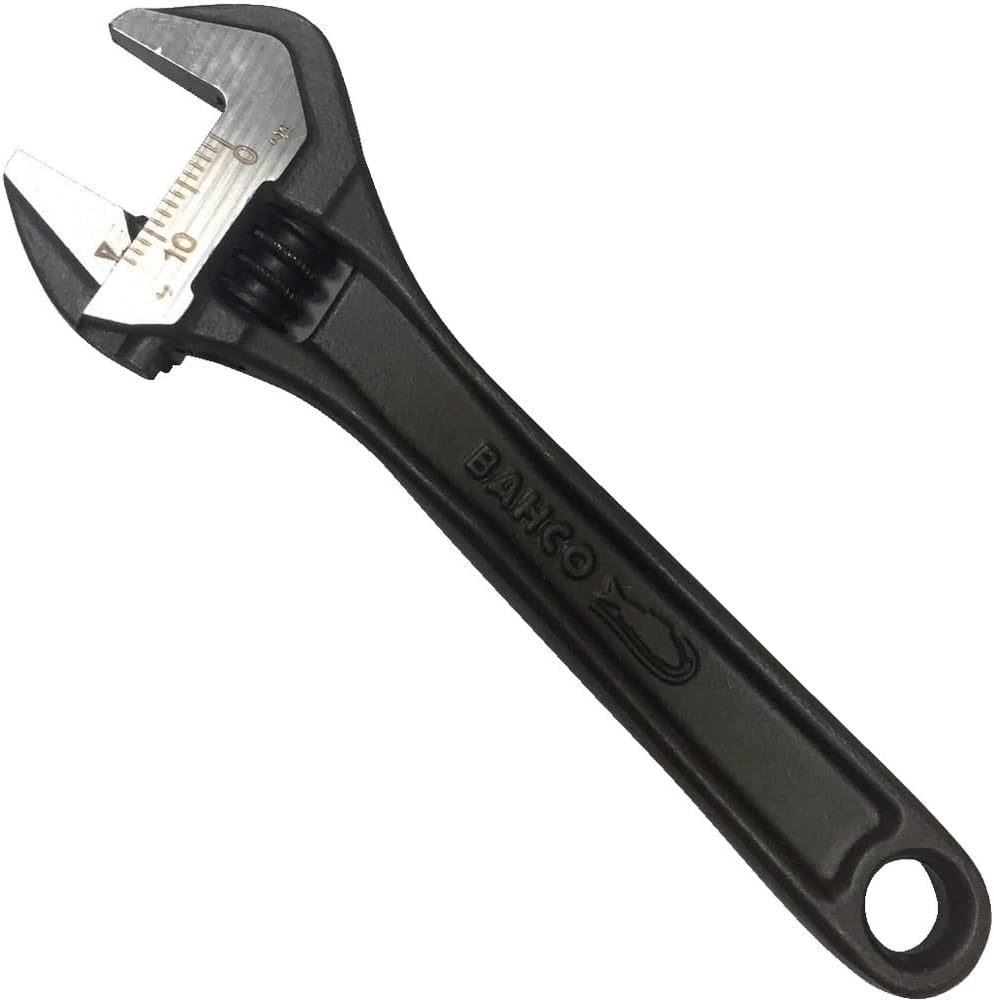
Bahco 8069 Black Adjustable Wrench, 100mm Length, 4IN
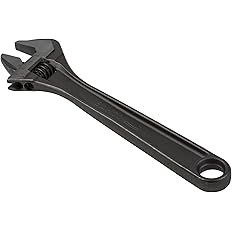
Bahco 8072 Black Adjustable Wrench, 250mm Length
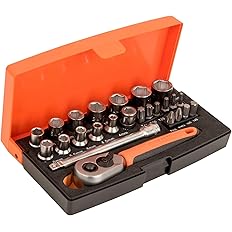
Bahco SL25 25 Piece 1/4" Drive Socket Set (SL25)
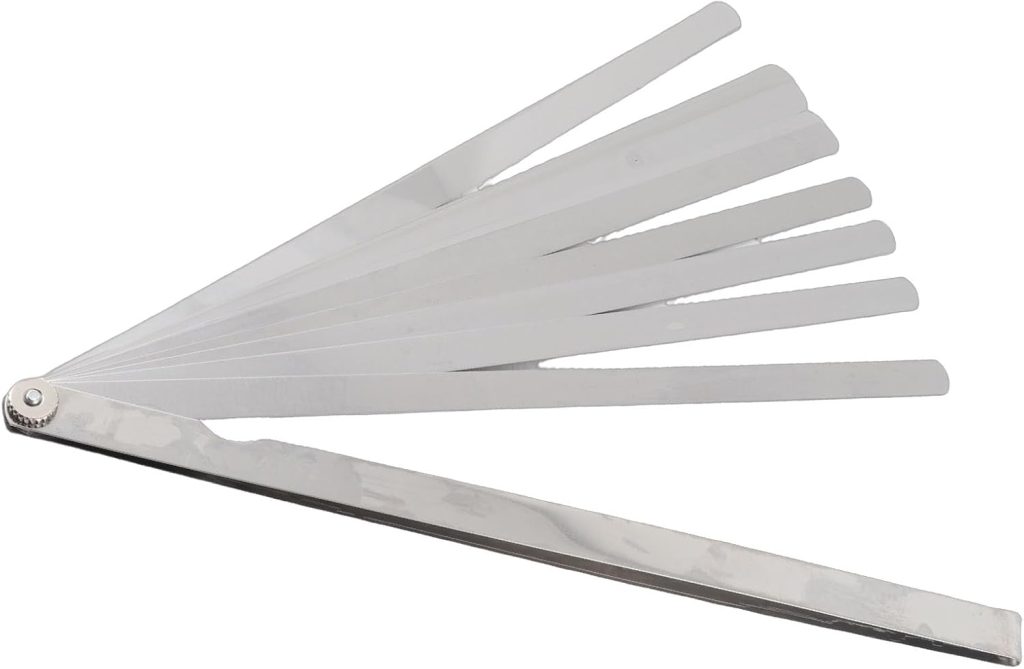
17 Blades Long Feeler Gauge, 0.02-1mm Stainless Steel Feeler Gauge 300mm/0.98in Feeler Gauges Long Blade
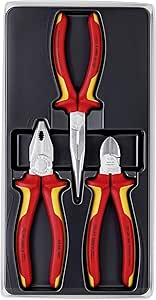
KNIPEX Electro Set, 3 Parts, 160 to 200 mm, VDE, Equipment for on the Move, Pliers Set, Tool Set, 00 20 12
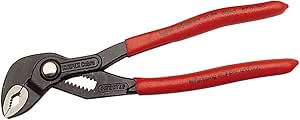
Knipex 13758 180mm Cobra Waterpump Pliers
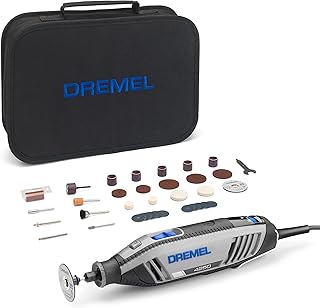
Dremel 4250 Rotary Tool 175 W, Multitool Kit with 35 Accessories, 175W Motor with Electronic Feedback, Variable Speed 5.000-35.000 RPM
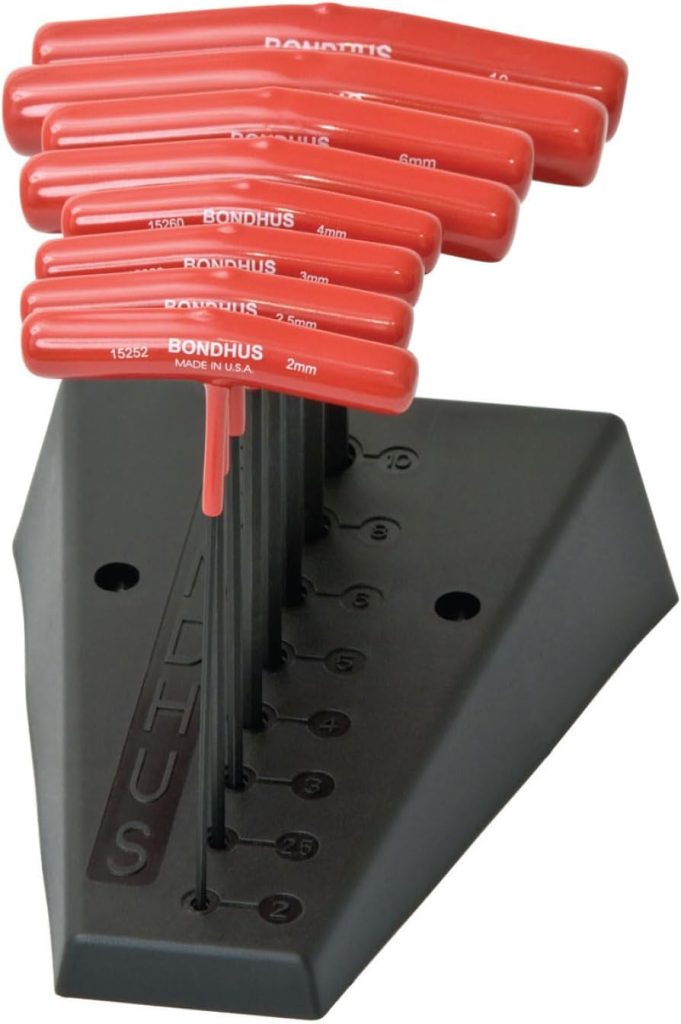
Bondhus HTX80M/S-6 8PC 2-10MM 6" T-Handle HEX Set + Stand, 15289
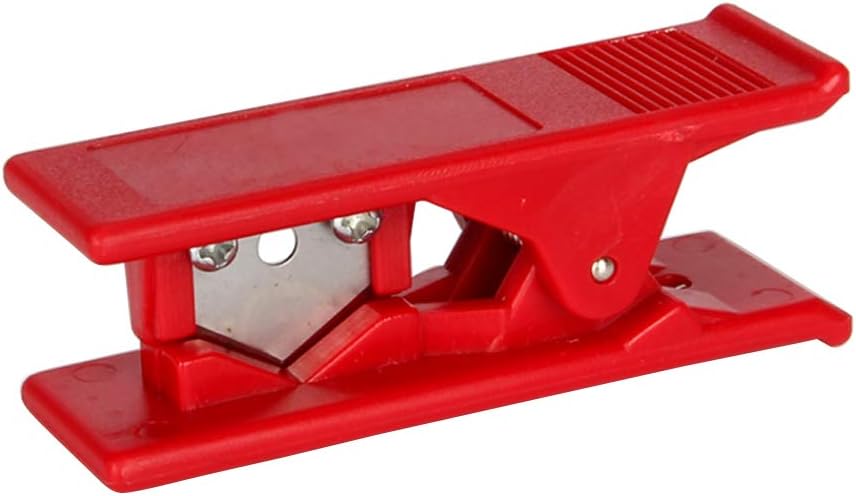
Liujiami Hand Tools Plastic Handle Soft Rubber Silicone PVC PU Nylon Pipe Cutters Pneumatic Tube Pipe Hose Cutter Splitter
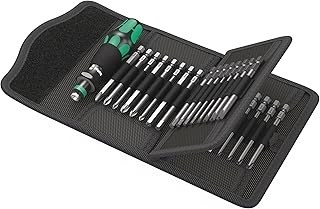
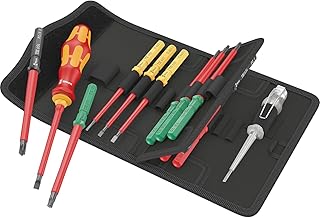
Wera Kraftform Kompakt 12, 10 Pieces

The Engineer’s Armour: Why the Case Matters

We  have put together this chosen selection of tools withour hard earned cash, the next phase is how to keep them together and look after them. In the workshop we often get given a Workbench with maybe drawers and cupboards, you can adopt it to what suits whatever tools you are allowed to bring with you.

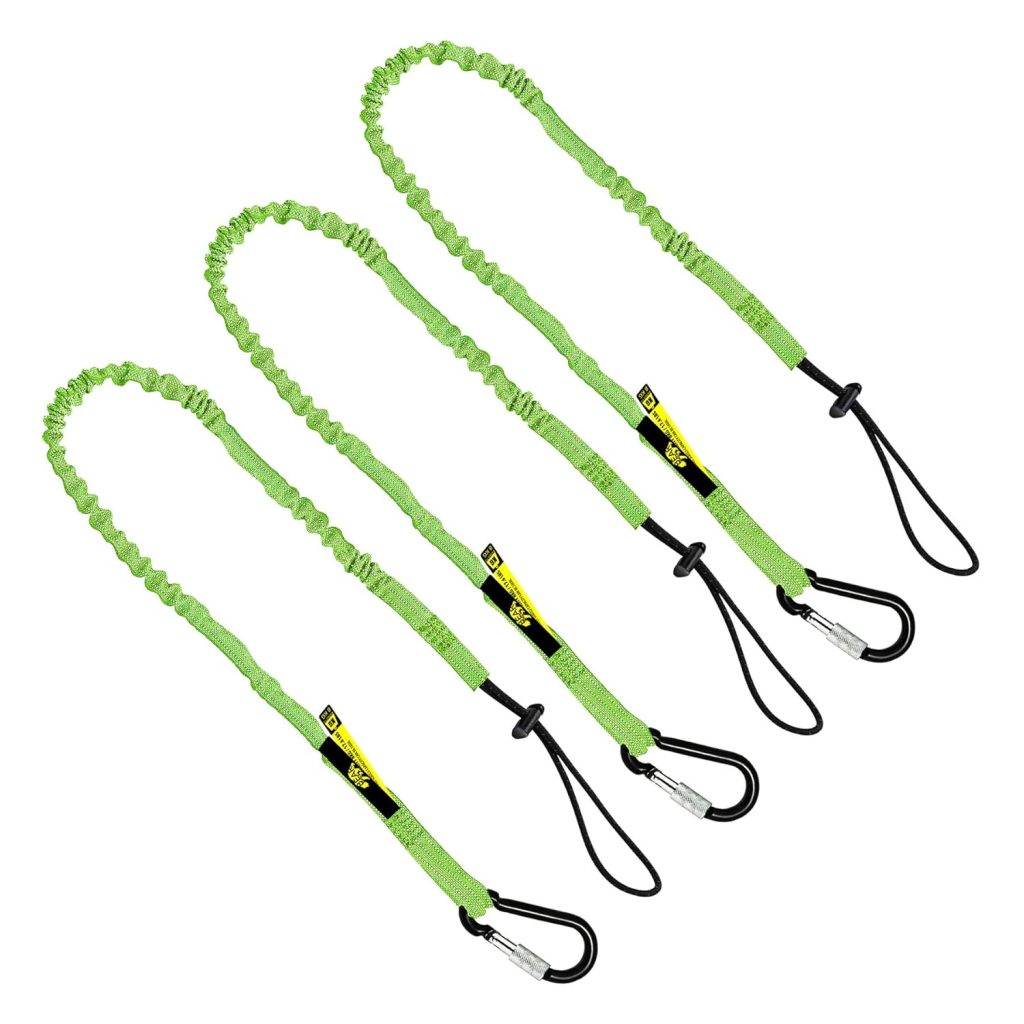
Now if you are allowed to use your personal tools on the shop floor (Reference above about certain Industry GMP) then having a Robust Tool Case is a must, my own preference is for the Black plastic moulded tool cases with plenty of pockets in for spanners, screwdrivers etc and must be lockable (Again refer back above to GMP regulations). I also like to have a smaller shoulder bag that I can throw a  few necessary tools in when I am either working at Height or working in a roof space, the leaking valve or blocked product line. It is always good to have a safety lanyard when working at height to secure your tools or tool bag.

Its worth bearing in mind that once you put them nice shiny tools into that new tool box, the weight is quite large to be carrying around a large site or factory, either make yourself a barrow of some type, buy a regular one or you can get Tool Cases with wheels, a couple of examples are below (similar to your holiday travel case).

                     As an Amazon Affiliate Associate I may earn from qualifying purchases at no extra cost to yourselves.

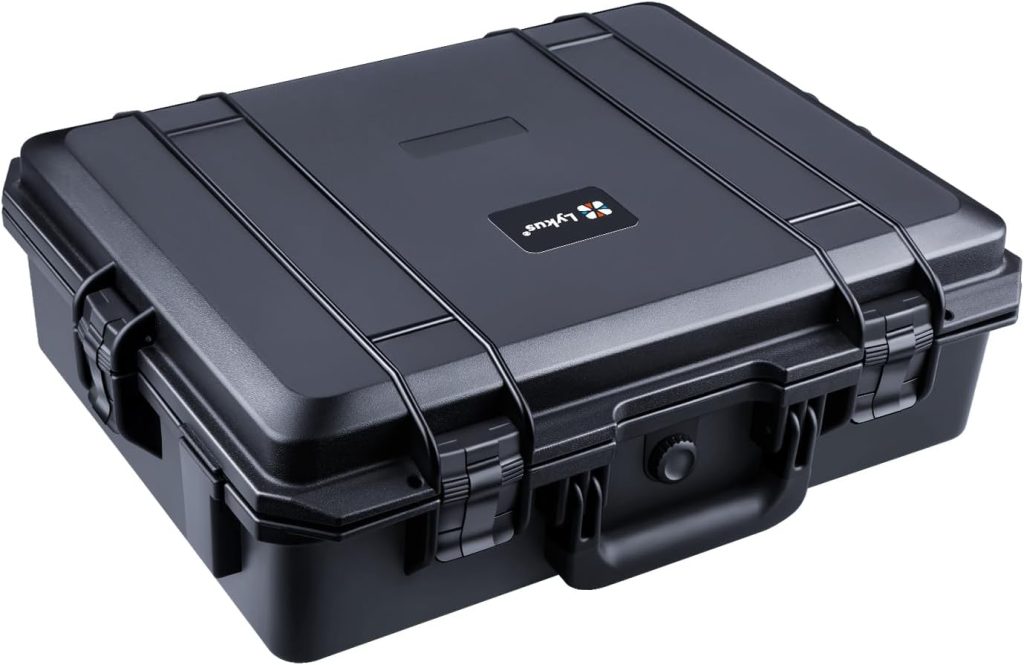
Lykus HC-5010 Large Waterproof Hard Case with Customisable Foam, Interior Size 50x40x16.5 cm, Suitable for Electronics and More
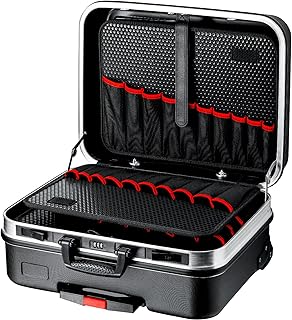
KNIPEX Tool Case Big Basic Move, Empty, on Wheels, Telescopic Handle, 54 Inserting Options, 33 L Volume, Tool Trolley, Rolling Toolbox
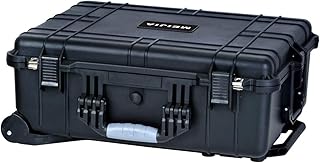
MEIJIA All Weathe Waterproof Hard Case with Retractable Pull Handle and Rolling Wheels, Customizable Fit Foam Inserted
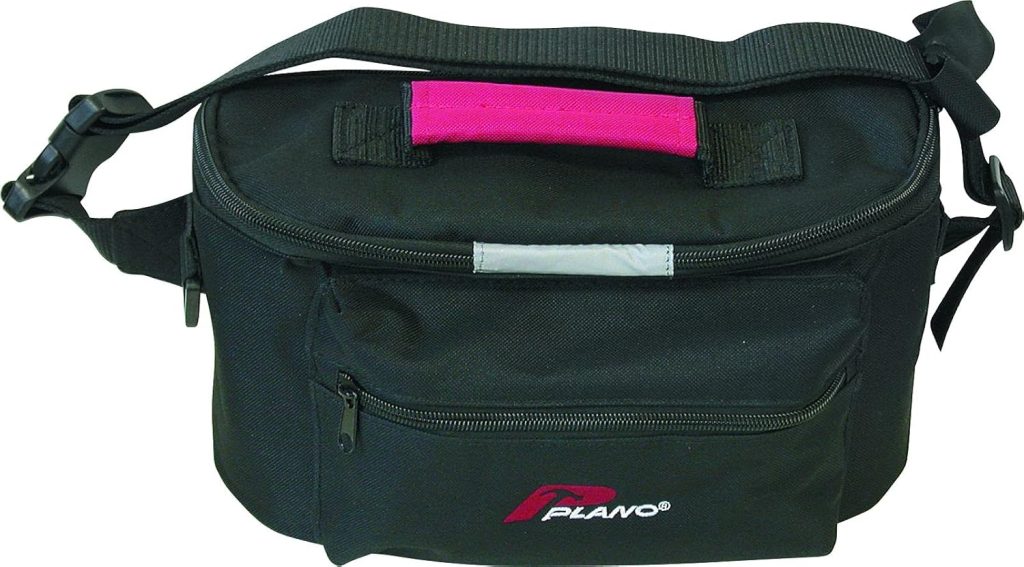
Plano PL545 Tool Bumbag With Document Compartment,Black/Red,30 x 15 x 16 cm
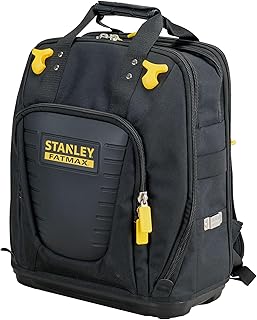
Stanley FatMax Quick Access Premium Backpack For working at Heights.
BearTOOLS Green Tool Lanyard with Aluminum Screw Lock Carabiner - Extend up to 165cm - Max Load 8KG / 17.6lb - Shock Absorbing Tool Tether For Working At Height, Scaffolding (3-Pack)

The Multi-skilled Edge: Bridging the Gap with Electrical Precision

If the mechanical kit is the muscle, the electrical kit is the nervous system. For the modern engineer, having an “electrical bias” isn’t just about wiring; it’s about diagnostics and data integrity. When you are knee-deep in a robotics cell or a high-speed sorter, your toolkit needs to facilitate quick pivots between hardware fixing and signal testing. Rounding out the “Modern Engineer’s Toolkit” with an electrical section is very relevant In today’s landscape—especially in robotics—the line between mechanical and electrical engineering has blurred into Mechatronics. A “multi-skilled” professional needs a kit that handles power, signals, and diagnostic data without weighing them down.

The “Must-Haves” for the Multi-skilled Engineer

To keep your kit lean but lethal, focus on these versatile essentials:

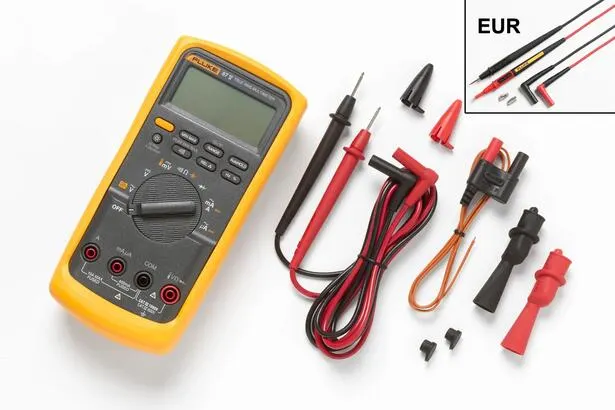
  • The Smart Multimeter: Gone are the days of just checking continuity. A modern site-ready DMM (Digital Multimeter) should offer True RMS for accurate readings on non-linear loads and, ideally, Bluetooth connectivity to log data to your phone while you’re inside a control cabinet.

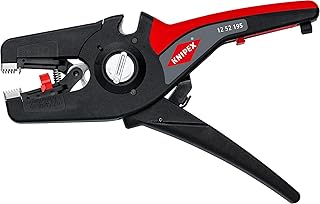
  • Precision Strippers & Crimpers: Robotics involves high-density connectors and delicate sensor wires. A pair of automatic wire strippers and a high-quality ratcheting crimp tool with interchangeable dies are non-negotiable for ensuring reliable, vibration-resistant connections.

  • Non-Contact Voltage (NCV) Detection: Safety first. A reliable NCV tester “pen” is the first thing out of the case, allowing for a quick check of energized circuits before you ever touch a screwdriver.

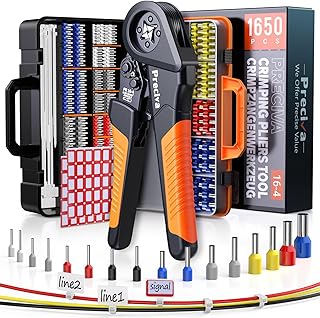
  • Ferrule Kits: Multi-skilled engineers know that “bare wire” in a terminal block is a recipe for a breakdown. Carrying a compact assortment of insulated ferrules ensures your work meets industrial standards for longevity.

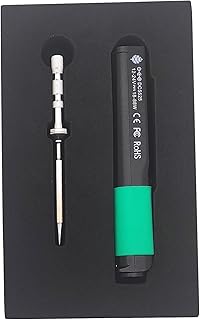
  • Soldering Portability: For on-site repairs, a butane-powered or high-output USB-C soldering iron allows for quick fixes on the production line without hunting for a power outlet.

The Philosophy of “One Kit, Two Worlds”

The key to a successful multi-skilled toolkit is organization by workflow, not just by tool type. By utilizing the modularity of your moulded plastic case, you can keep your heavy-duty mechanical wrenches in the base and your sensitive electrical diagnostic tools in the lid or a removable tray.

This hybrid approach allows you to move from torqueing a chassis bolt to calibrating a 4-20mA sensor loop without missing a beat—proving that the best tool in your case is actually your versatility.

   ” As an Amazon Affiliate Associate I may earn a small payment on qualifying purchases at no extra costs to yourselves.”
Click to see full view Product Image Ask Rufus What safety features does it have? Can it measure solar panel voltage? Does it come with a case? Ask something else Fluke 87V Max True-RMS Digital Multimeter with Solar Test Lead Kit, CAT III 1000v Rated Multimeter, Waterproof and Dustproof IP67 Case, and MC4 Test Leads and Holster
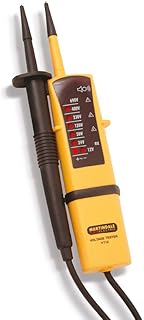
Martindale VT12 Two Pole Voltage and Continuity Tester, Yellow
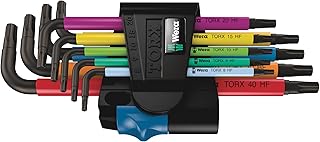
967/9 TX Multicolour Holding Function L-Key Set of 9 (TX8-TX40)
PINE64 PINECIL – Smart Mini Portable Soldering Iron, New Version 2, SNN002
KNIPEX Precistrip16 Automatic Insulation Stripper 190 mm, 12 52 195
Preciva 0.08-16mm² Crimping Tool Set,28-5 AWG Bootlace Ferrule Crimping Tool Kit with 1500PCS Connectors Terminals+100PCS 150mm Cable Ties+60PCS Label,Ratchet Crimper with Suitcase for Electricians
Wera Kraftform Kompakt VDE 16 Universal 1 TIE
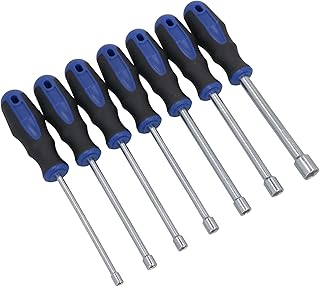
7pc Extra Long Metric Hex Nut Drivers Spinners Sockets 5mm - 13mm Soft Grip
Knipex 13758 180mm Cobra Waterpump Pliers

wpx_

Apprenticeship trained Mechanical Technician, worked in many Blue Chip Companies including Glaxo Smithkline, Reckitts Benckiser, Unilever, Coca Cola mainly in the UK but also in Europe.

Leave a Comment