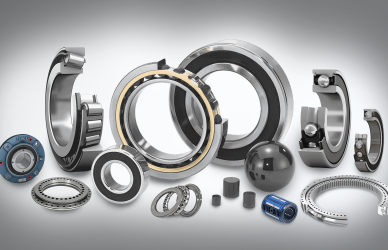

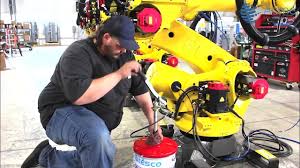
Engineers lubricating a robotics line is a critical maintenance activity that involves applying specialized greases and oils to reduce friction, prevent wear and corrosion, and ensure the robots operate smoothly and efficiently. This proactive maintenance is vital for maximizing a robot’s lifespan and minimizing costly unplanned downtime. Robotics components, particularly precision RV reducers and planetary gears (like those in Fanuc or KUKA arms), are highly sensitive to pressure; using the wrong tool can actually blow out expensive seals ( potentially a £50,000 robotic arm can be sidelined by a £1.00 blown seal ). Standard grease guns are designed for tractors and trucks, not precision RV (Rotate Vector) reducers.
This is the Second part of our series on the industrial lubrication optimization, today we are covering the subject of Cordless Grease Guns for Robotics. In our Next Post we’ll dive into creating your specialized lubrication store.
“As an Amazon Associate I earn from qualifying purchases, ” I may earn a small amount at no extra cost to yourselves.”
Keeping an industrial robot in top working condition isn’t difficult, but it does require consistency, and that begins with a dependable robot greasing schedule applying the correct type lubricants and utilising the “fit for purpose ” tooling to administer it. Proper lubrication protects bearings joints, and gearboxes from premature wear, allowing robots to perform reliably under demanding conditions. Unfortunately, maintenance routines often get delayed, leading to avoidable performance issues or system failures. What starts as a missed interval can turn into costly part replacements and unplanned downtime.
Robot Maintenance Starts With Routine Greasing
According to Fanuc ( one of the Big 4 Robotic manufacturers) in many facilities, robot maintenance becomes a reactive task rather than a proactive process. But for high-cycle robots, especially in manufacturing and high-load environments, lubrication intervals need to be scheduled and followed closely. Missing one may not cause immediate damage, but repeated delays add up. It’s also essential to use the correct lubricant for your application. The consequences of using the wrong robot grease are well-documented, and choosing the wrong product can undermine even the most diligent schedule.
3 “Golden Rules” for Greasing Robots
Respect the Seals: Most robot seals are rated for significantly less than the 10,000 PSI these guns can output. Never hold the trigger if you feel hard resistance.
The “Slow & Steady” Method: Reviewers suggest that manual or low-speed cordless settings are better for robots to allow the grease to displace old lubricant without air pockets.
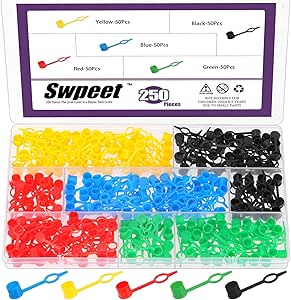
Colour Coding: in robotics ( as well as other industries) mixing grease types (e.g., Vigo Grease vs. Molywhite) can lead to chemical breakdown, so its paramount to have clearly labelled guns for each type of Grease and if possible a Colour Coding scheme to make things easier.
Wrong Grease, Right Routine—Still a Problem
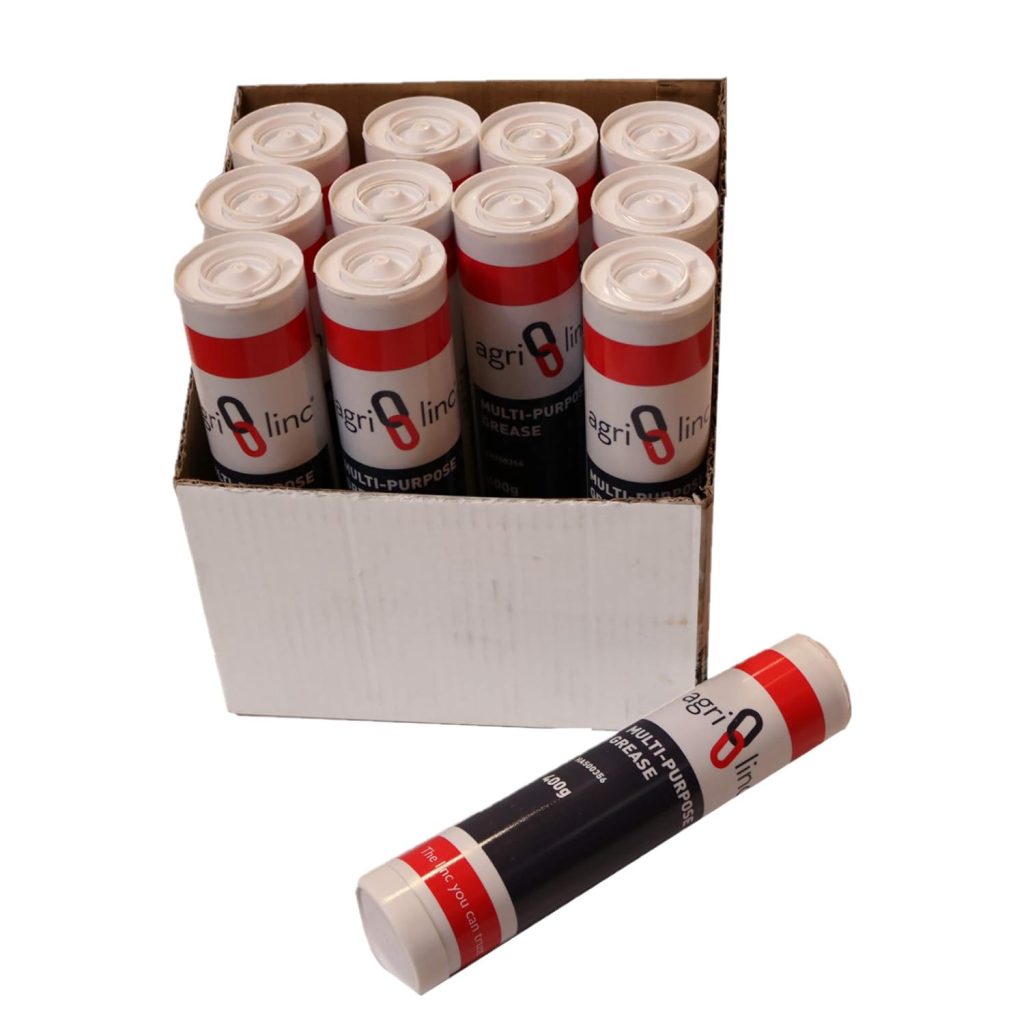
We can have a very efficient team that applies grease regularly but selects the wrong type for the robot’s load and temperature conditions. Even with a consistent robot greasing schedule, the product begins to break down under pressure. That can lead to grease migration, contamination, and eventual damage to internal components. Despite following the schedule, the equipment suffers because the robot grease wasn’t formulated for the application. This is why a very important factor in the Workshop area has to be the Lubrications Store and must come under all the usual 5s checks. A log book available so that lubricants can be signed for gives another “taking responsibility” check and makes the Team think about correct choices, it is also important that grease cartridges are booked out on the stores or job recording system, in the past I have found it infuriating that there is no grease left for the PPM schedule to be completed. An important addition to the store is ” A Grease & Lubricants SDS ( Safety Data Sheet ) for Robotics ” that is in a good visible place for personnel and preferably laminated against spillages.
Common Failure Points from Poor Lubrication
While the root causes may differ, the results tend to be the same. When lubricating a robot gets delayed or mishandled, key components are at risk,:
- Joints and bearings can wear unevenly and lose range of motion
- Gear reducers may seize or develop internal backlash
- Seals can crack or leak under thermal stress
- Motors may overheat as mechanical resistance increases
Each of these failures reduces efficiency and shortens the robot’s service life, but by adopting a good Lubrication Schedule most of these failures can be prevented. We must also make sure we are using the correct tools (ie: Grease Guns ) to dispatch the correct amount of Grease. Most factories have an Air Line ring main having quick release connectors so a Pneumatic Gun is a possibility, certainly in the Workshop. The new solution of Cordless grease Guns with re-chargeable batteries opens up a whole new world of accessibility to even the tightest of spaces.
A quick Comparison Chart of 3 types of grease gun
| Feature | Milwaukee M18 (2646-20) | DeWalt 20V Max (DCGG571) | Lincoln 1162 (Pneumatic) |
| Best For | Precision/High-Volume | Ergonomics/General Shop | Stationary Work Cells |
| Max Pressure | 10,000 PSI | 10,000 PSI | 6,000 PSI (Depends on Air) |
| Key Robotics Feature | Pre-set Counter Dial | Variable Speed Trigger | Continuous Flow |
| Hose Length | 48 Inches | 42 Inches | 30 Inches |
| Weight | ~3.7 kg (Bare) | ~3.6 kg (Bare) | ~2.5 kg |
Unfortunately quite a lot of Technicians just grab any cordless grease gun off the shelf, but industrial robots require a different level of precision .I am making the following recommendations on Grease Gun suitability by the experiences I have had through years of “Hands-on” working in Robotics and Automation. It is not wise to risk a $5,000 repair over a $200 tool. Precise lubrication is the lifeblood of industrial robotics. While manual greasing is often prone to human error—leading to either catastrophic seal failure from over-greasing or premature wear from under-greasing, my personal favourite is the Milwaukee M18™ Cordless 2-Speed Grease Gun offering a technical solution through its integrated digital intelligence. Whilst I admit it is not the lightest in weight or the cheapest in its sector, it has redeeming features that make it the Professionals choice.
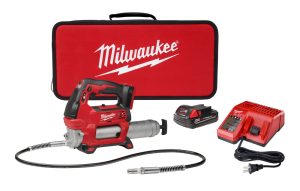
Key Feature: The Pre-set Grease Counter
In robotics, components like high-speed planetary gears or linear bearings often require a specific volume of lubricant (measured in grams or “shots”).
Precision Control: The M18 allows you to dial in the exact number of “shots” required. Once you pull the trigger, the tool dispenses that exact amount and stops automatically.
Eliminating Over-Greasing: In robotics, over-lubrication can cause heat build up or blow out delicate internal seals. This counter ensures you never exceed the manufacturer’s specification.
Performance in Robotics Maintenance
1. 10,000 PSI Power for Blockages
Robot joints that have sat idle may develop “caked” grease. The M18’s 10,000 PSI capability can clear these blockages in “Low Speed/High Pressure” mode, ensuring the new lubricant actually reaches the bearing surfaces.
2. 48-Inch Extended Reach
Robotic cells are often cramped, with grease zerks located behind safety guarding or deep within the arm’s casting. The 48-inch flexible hose provides the necessary reach to service these points without requiring full disassembly of the robot’s perimeter.
3. Cleanliness & Contamination Control
Robotics environments (especially in electronics or food/med) require high cleanliness.
Integrated Hose Storage: Keeps the coupler off the floor and away from dust.
Air Bleeder Valve: Ensures quick priming so you aren’t “dry pumping” and introducing air bubbles into high-precision gearboxes.
Pros & Cons for Robotics Applications
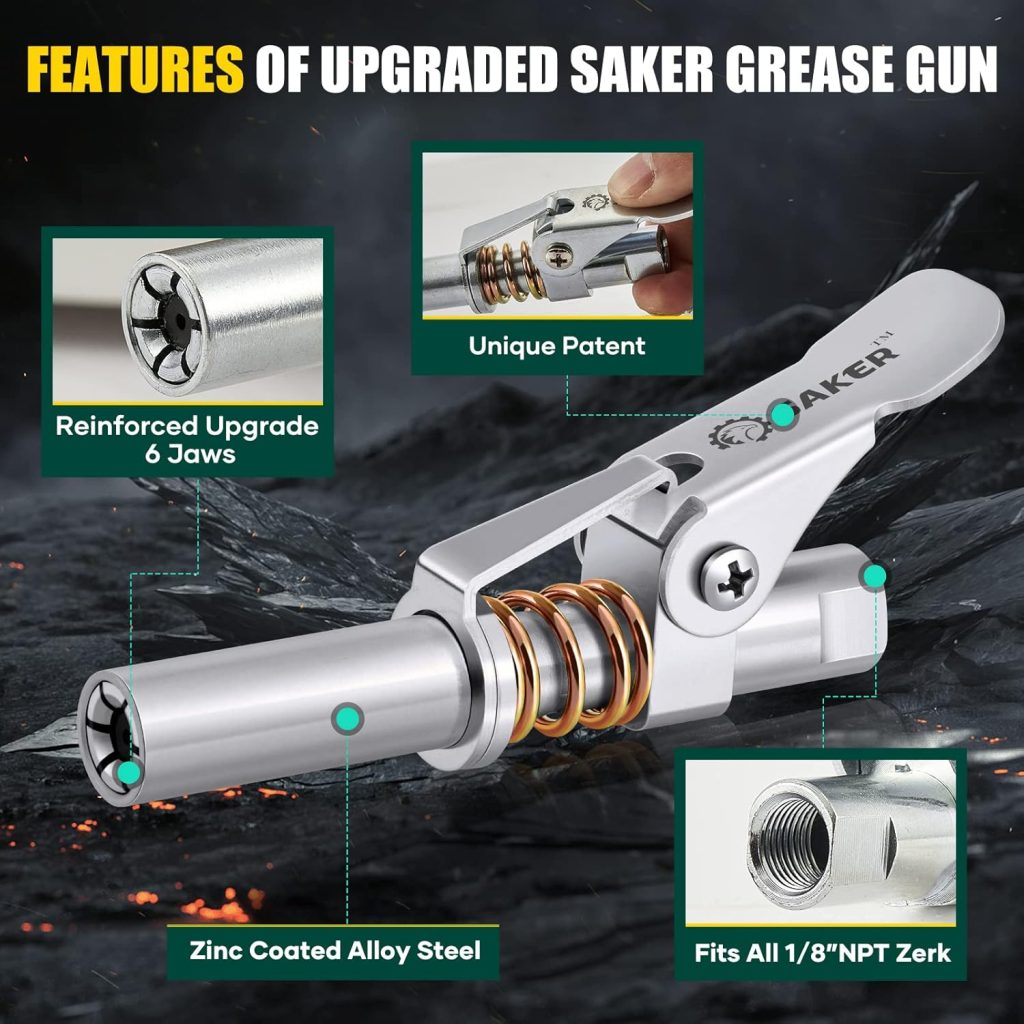
If you can pair the Hose with a locking grease coupler (like a LockNLube).it would enable a hands-free operation, meaning you can focus on watching the seal or the grease counter rather than fighting to keep the nozzle on the zerk.
Pros
:Consistency: Every technician on the floor provides the exact same amount of grease.
Speed: Reduces maintenance downtime by up to 75% compared to manual pumping, very easy to use
On-board LED: Illuminates dark robot internal castings.
Cons:
Weight: At roughly 8.5 lbs (with battery), it is heavier than manual guns.
Bulk: The M18 battery base can be cumbersome in extremely tight enclosures.
Final Verdict
For a robotics lubrication program, the Milwaukee M18 isn’t just a convenience—it’s a precision instrument. The ability to standardize grease volume across a fleet of robots justifies the higher price point by preventing the two most common causes of bearing failure: contamination and incorrect volume, a perfect addition to your Robotics workshop.
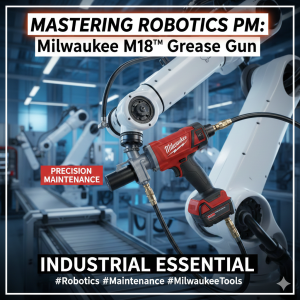

Milwaukee M18GG-0 18V M18 Cordless Grease Gun with 1 x 5.0Ah Battery & Charger
- 1 x Milwaukee M18GG-0 Grease Gun
- 1 x Milwaukee 5.0ah Battery M18B5
- 1 x Milwaukee M12-18C Multi Voltage Charger
 OYT RECOMMENDS THESE EXTRAS TO SUPERCHARGE YOUR GREASE GUNS
“AS AN AMAZON ASSOCIATE I MAY EARN FROM QUALIFYING PURCHASES,” I MAY EARN A SMALL AMOUNT AT NO EXTRA COST TO YOURSELVES.”